что ты ищешь?
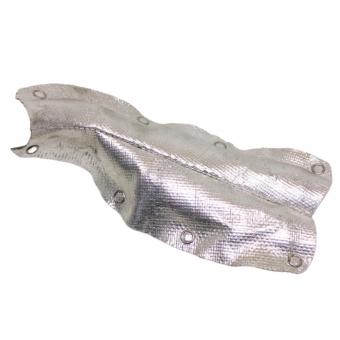
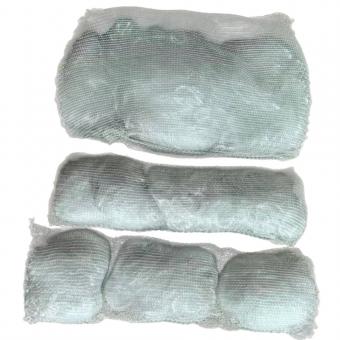
А одеяло для водосточной трубы с лавой Это высокоэффективная теплоизоляционная обмотка, разработанная специально для экстремальных температур, создаваемых выхлопными системами с турбонаддувом. Обмотанная вокруг выпускной трубы, эта обмотка помогает контролировать тепловое излучение, улучшает отклик турбокомпрессора, защищает окружающие компоненты и поддерживает более безопасную температуру под капотом. В отличие от традиционных стекловолоконных или нержавеющих теплоизоляционных обмоток, обмотки для выпускных труб из лавы изготавливаются из измельченных волокон вулканической породы, что обеспечивает им исключительную термостойкость, долговечность и устойчивость к термическим ударам.
Современные двигатели, особенно бензиновые и дизельные с турбонаддувом, генерируют интенсивные температуры внутри выхлопной системы и прилегающих компонентов. Без эффективного отвода тепла это тепло может повредить проводку, шланги, кузовные панели, патрубки интеркулера и другие чувствительные детали. Теплоизоляционный чехол для выхлопной трубы типа «лава» предлагает инженерное решение для минимизации теплопередачи, повышения эффективности работы и продления срока службы важных компонентов. Это подробное руководство рассматривает преимущества, материаловедение, области применения, особенности установки и технические характеристики теплоизоляционных чехлов для выхлопных труб типа «лава», представляя большую ценность для автолюбителей, инженеров автоспорта и тюнинговых мастерских.
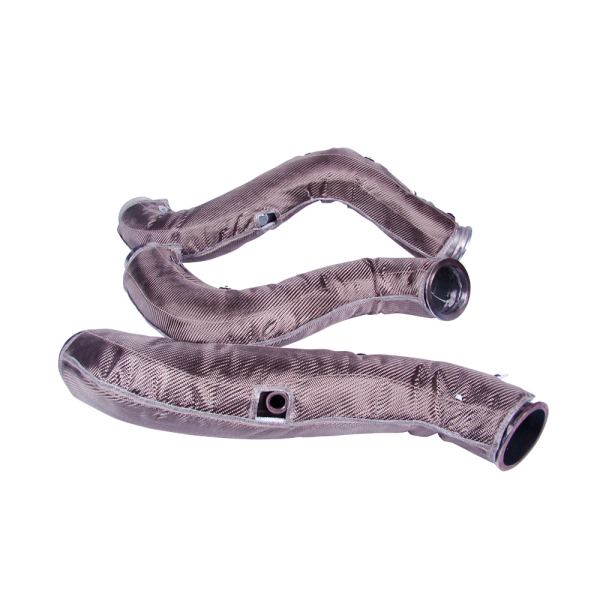
Теплоизоляционное покрывало из базальтового волокна, получаемого из вулканической лавы, представляет собой теплоизоляционный материал, изготовленный из базальтового волокна. Эти волокна сплетаются или сшиваются в гибкую высокотемпературную ткань и формируются таким образом, чтобы плотно облегать водосточные трубы, входные отверстия каталитических нейтрализаторов или выходные секции турбокомпрессоров. Материал естественным образом выдерживает экстремальные температурные условия и обеспечивает улучшенный тепловой барьер, значительно снижающий температуру поверхности.
Обычно теплоизоляционный чехол состоит из высокотемпературного базальтового внешнего слоя, многослойного внутреннего теплоизоляционного барьера и надежных систем крепления, позволяющих чехлу плотно прилегать даже в сложных условиях эксплуатации. Поскольку выхлопные трубы подвергаются сильным перепадам температуры при полностью открытой дроссельной заслонке, высоком давлении наддува или длительных подъемах в гору, эти чехлы разработаны таким образом, чтобы поддерживать стабильность характеристик без износа или распускания.
Тепло от выхлопных газов излучается в моторный отсек и повышает рабочую температуру расположенных рядом компонентов. Изоляция выпускного патрубка значительно снижает тепловое излучение наружу, что позволяет поддерживать более низкую температуру в моторном отсеке и уменьшать тепловую нагрузку.
Более горячие выхлопные газы улучшают поток энергии в турбину турбокомпрессора, способствуя более быстрому раскручиванию и более стабильной работе наддува. Изоляция помогает сохранять тепловую энергию выхлопных газов, способствуя более быстрому ускорению турбокомпрессора и уменьшая турболаг.
Проводка, датчики, шланги и пластиковые компоненты могут изнашиваться из-за постоянного воздействия сильного теплового излучения. Теплоизоляционные материалы для водосточных труб Lava обеспечивают надежную тепловую защиту, предохраняя эти детали от перегрева или плавления.
Предотвращение попадания тепла на перегородку моторного отсека, панели пола и топливопроводы снижает риск перегрева, выхода из строя компонентов и термической усталости.
Теплоизоляция на основе базальта сохраняет структурную целостность при многократных циклах нагрева, лучше выдерживая термические удары, чем традиционная стекловолоконная обмотка. Это делает ее подходящей для высокопроизводительных автомобилей, внедорожной техники и промышленных дизельных двигателей.
Внешняя поверхность лавового покрова остается значительно холоднее, чем выхлопная труба под ним, что снижает вероятность ожогов во время технического обслуживания или случайного контакта.
В качестве основного материала используется базальтовое волокно, получаемое из вулканической породы, выбранное за его превосходную термостойкость и природную прочность. Базальтовые волокна не плавятся при типичных температурах выхлопных газов, что делает их очень надежными для длительного использования.
Под внешней базальтовой поверхностью находится ряд теплоизолирующих слоев, предназначенных для удержания тепла и стабилизации температурных градиентов. Эти слои помогают поддерживать стабильные тепловые характеристики даже при резких перепадах температуры.
Промышленная прошивка и металлические или стекловолоконные крепежные элементы обеспечивают надежное крепление и структурную целостность. Эти компоненты должны выдерживать высокие уровни вибрации и противостоять разрушению от тепла, масла и выхлопных газов.
Утеплительные одеяла для водосточных труб разработаны таким образом, чтобы повторять форму трубы, обеспечивая полное покрытие и оптимальную эффективность теплоизоляции.
В спортивных автомобилях, дизельных грузовиках и внедорожниках с турбонаддувом используются специальные теплоизоляционные материалы для выпускных труб, предназначенные для отвода тепла, излучаемого компонентами выхлопной системы турбокомпрессора.
Для предотвращения перегрева и повышения стабильности круга гоночным автомобилям необходим строгий терморегулирование. В профессиональном автоспорте широко используются термоизоляционные чехлы для выхлопных труб.
В автомобилях, модифицированных для работы с более высоким давлением наддува или модернизированных турбосистем, для защиты компонентов моторного отсека используется дополнительная изоляция.
На судах с турбодизельными двигателями используются теплоизоляционные материалы для водосточных труб, позволяющие регулировать температуру в закрытом машинном отделении и продлевать срок службы компонентов.
Строительная техника, электрогенераторы и сельскохозяйственное оборудование выигрывают от теплоизоляции, которая защищает окружающие системы.
| Свойство | Ценить |
|---|---|
| Базовый материал | Базальтовое волокно, полученное из вулканической породы. |
| Устойчивость к постоянному воздействию температуры | Примерно 980 градусов Цельсия в зависимости от сорта |
| Максимальная допустимая температура | Температура может достигать приблизительно 1370 градусов Цельсия в течение короткого времени. |
| Толщина изоляции | от 3 до 12 миллиметров в зависимости от конструкции. |
| Снижение температуры внешней поверхности | В зависимости от способа установки может значительно снизить температуру поверхности. |
| Система крепления | Крюки, пружины или термостойкие ремни из нержавеющей стали. |
| Структура | Многослойная теплоизоляция с базальтовым внешним слоем. |
| Химическая стойкость | Высокая устойчивость к маслам и большинству загрязнений моторного отсека. |
| Гибкость | Высокий для простоты установки |
| Приложения | Выпускные патрубки для турбонаддува, каталитические нейтрализаторы, выпускные патрубки. |
Значения могут различаться в зависимости от производителя и конструкции одеяла.
вулканическая порода турбоизоляционное одеяло
теплозащитный экран, обмотка выпускной трубы
высокотемпературный тепловой барьер выхлопных газов
турбоодеяло из базальтового волокна
высокоэффективная теплоизоляционная крышка выхлопной системы
термоизоляционная пленка для автомобильной системы терморегулирования
теплозащитный материал для водосточной трубы
Базальтовые волокна выдерживают более высокие температуры, чем стекловолокно, поэтому лавовые покрывала подходят для экстремальных условий эксплуатации турбокомпрессоров.
Стекловолоконные обмотки со временем могут стать хрупкими, в то время как базальт дольше сохраняет гибкость и структурную целостность.
Лавовые покрывала, как правило, сохраняют более стабильный цвет и более чистую текстуру, в то время как обертки из стекловолокна часто обесцвечиваются.
Базальтовые волокна осыпаются значительно меньше, чем стекловолоконные обмотки, что делает монтаж более безопасным и чистым.
Лавовые покрывала более эффективно повторяют контуры сложных форм, улучшая равномерность теплоизоляции.
Убедитесь, что выпускная труба чистая и на ней нет масла или посторонних предметов. Дайте выхлопной системе полностью остыть перед установкой.
Оберните теплоизоляционный материал вокруг трубы, выравнивая его по изгибам, соединениям и точкам крепления. Обеспечьте полное покрытие для максимального контроля температуры.
Для надежного крепления одеяла используйте высокотемпературные крючки, проволоку или ремни. Избегайте чрезмерного затягивания, так как это может привести к сжатию слоев утеплителя.
После нескольких циклов нагрева автомобиля осмотрите теплоизоляционное одеяло на предмет провисания или ослабления и при необходимости отрегулируйте его.
Водосточные покрывала Lava требуют минимального ухода, но их следует периодически осматривать на предмет износа, загрязнения маслом или механических повреждений. Замените покрывало, если замечены изношенность, значительное изменение цвета или повреждения от перегрева.
Она изолирует выпускной патрубок, снижая тепловое излучение, повышая эффективность турбонаддува, защищая расположенные рядом компоненты и стабилизируя общую температуру в моторном отсеке.
Термоизоляционный чехол покрывает корпус турбины, а термоизоляционный чехол — трубу, непосредственно следующую за турбокомпрессором. Для оптимального управления тепловым режимом их часто используют вместе.
Да. Теплоизоляция из базальтового волокна рассчитана на многократные циклы нагрева без ухудшения характеристик.
Косвенно — да. Сохраняя тепло в потоке выхлопных газов, турбокомпрессор может раскручиваться быстрее, улучшая отклик дроссельной заслонки и эффективность.
Да. Правильная установка предотвращает воздействие чрезмерного нагрева на проводку, шланги и датчики.
При нормальной эксплуатации высококачественные теплоизоляционные чехлы служат несколько лет в зависимости от температуры двигателя и воздействия окружающей среды.
Требуется лишь периодический осмотр. Чистка необходима только при наличии масляного загрязнения.
А одеяло для водосточной трубы с лавой Это незаменимое усовершенствование для турбированных двигателей, обеспечивающее улучшенное управление температурным режимом, более надежную защиту компонентов и улучшенную реакцию турбонаддува. Конструкция из базальтового волокна обеспечивает термостойкость, значительно превосходящую традиционные материалы, гарантируя надежную работу как в гоночных, так и в повседневных условиях эксплуатации. Снижая температуру под капотом и стабилизируя тепловой поток выхлопных газов, теплоизоляционные накладки из базальтового волокна способствуют более безопасной, эффективной и долговечной работе двигателя. При правильном подборе размера и надлежащей установке они обеспечивают долгосрочные преимущества для автомобилей, ориентированных на повышение производительности.

No.10, Chuangxin North Road, Nanshan Park, Ningguo Economic and Technological Development Zone, Ningguo City, Anhui Province, China
тел/Whatsapp : 0086-15856303740
Эл. адрес : sales@bstbraidedsleeve.com
Skype : vanesa-cheng