что ты ищешь?
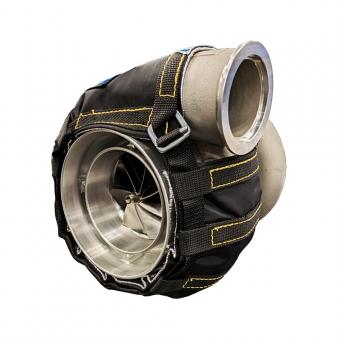
Выхлопные системы работают в одной из наиболее термически нагруженных зон транспортного средства, двигателя или промышленной энергетической системы. Выпускные коллекторы, турбокомпрессоры, приемные трубы, каталитические нейтрализаторы, глушители и выхлопные трубопроводы могут создавать интенсивное лучистое и кондуктивное тепло, вызывая тепловые нагрузки на проводку, шланги, датчики, кузовные панели, компоненты топливной системы и окружающее оборудование.
Теплозащитная изоляция выхлопной системы используется для управления этим теплом в месте его возникновения или рядом с ним.
BSTFLEX производит широкий ассортимент решений по теплозащитной изоляции выхлопной системы для автомобильных, гоночных, дизельных, генераторных, морских и промышленных выхлопных систем. Доступные конструкции включают съемные изоляционные одеяла, формованные металлические теплозащитные экраны, изоляцию выхлопных труб, термостойкие вкладыши, гибкую обмотку, одеяла для коллекторов и многослойные тепловые барьеры.
Вместо использования одного метода изоляции для каждой выхлопной системы правильное тепловое решение следует выбирать с учетом температуры выхлопа, доступного монтажного пространства, геометрии компонентов, вибрации, воздействия окружающей среды, требуемого снижения температуры поверхности и требований к эксплуатации.
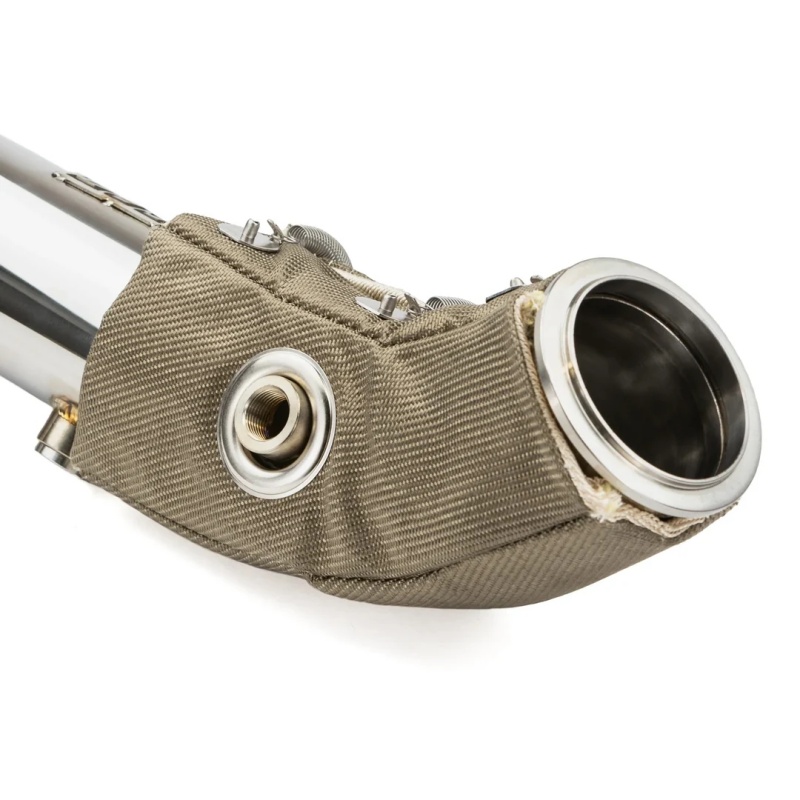
Теплозащитная изоляция выхлопной системы — это система термозащиты, предназначенная для снижения передачи тепла от горячих компонентов выхлопной системы к окружающим областям.
В зависимости от применения теплозащитный экран выхлопной системы может работать путем:
отражения лучистого тепла от чувствительных компонентов;
удержания тепла внутри выпускного коллектора, трубы или турбокомпрессора;
снижения внешней температуры поверхности горячих компонентов выхлопной системы;
создания изолированного воздушного зазора между источником тепла и окружающими компонентами;
замедления передачи кондуктивного тепла через многослойную изоляцию;
защиты проводки, шлангов, датчиков, кузовных панелей и расположенного рядом оборудования от длительного воздействия высокой температуры.
Термин теплозащитный экран выхлопной системы и изоляция выхлопной системы поэтому не всегда обозначают абсолютно одинаковую конструкцию.
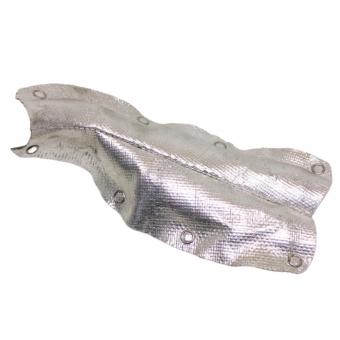
Формованный экран из алюминия, нержавеющей стали или никелевого сплава в первую очередь управляет лучистым теплом и обычно включает воздушный зазор или дополнительный изоляционный слой. Съемное одеяло для выхлопной системы плотнее окружает источник тепла и удерживает тепловую энергию с помощью высокотемпературной текстильной изоляции.
Для требовательных установок эти два принципа также могут быть объединены в многослойный тепловой барьер выхлопной системы.
Хотя эти термины часто используются вместе, они по-разному решают тепловые задачи.
| Тепловое решение | Основная функция | Типичная конструкция | Распространенные применения |
|---|---|---|---|
| Металлический теплозащитный экран выхлопной системы | Отражение и блокирование лучистого тепла | Алюминий, нержавеющая сталь, никелевый сплав | Каталитические нейтрализаторы, глушители, днище кузова, выхлопные трубы |
| Изоляционное одеяло для выхлопной системы | Удержание тепла в источнике | Термостойкая внешняя ткань, изоляционный сердечник, внутренний вкладыш | Коллекторы, турбокомпрессоры, выхлопные трубы, колена |
| Изоляция выхлопной трубы | Снижение температуры поверхности трубы и потерь тепла | Одеяло, рукав, обертка или многослойная оболочка | Дизельные двигатели, генераторы, судовые двигатели, промышленные выхлопные системы |
| Вкладыш теплозащитного экрана выхлопной системы | Изолировать за существующим внешним экраном | Металлическая облицовка с теплоизоляцией | Мотоциклы, автомобильные выхлопные системы, штатные теплозащитные экраны OEM |
| Теплоизоляция выхлопной системы | Гибкая изоляция вокруг труб | Высокотемпературная текстильная конструкция или конструкция с рукавом | Судовые системы, дизельные обогреватели и промышленные трубопроводы |
| Листовой тепловой барьер | Отражать или прерывать передачу тепла | Рельефный металл или композит из металла и изоляции | Моторные отсеки, противопожарные перегородки, панели пола, глушители, каталитические нейтрализаторы |
Самая эффективная система управления тепловым режимом выхлопной системы может использовать несколько из этих технологий в разных областях одной и той же выхлопной системы.
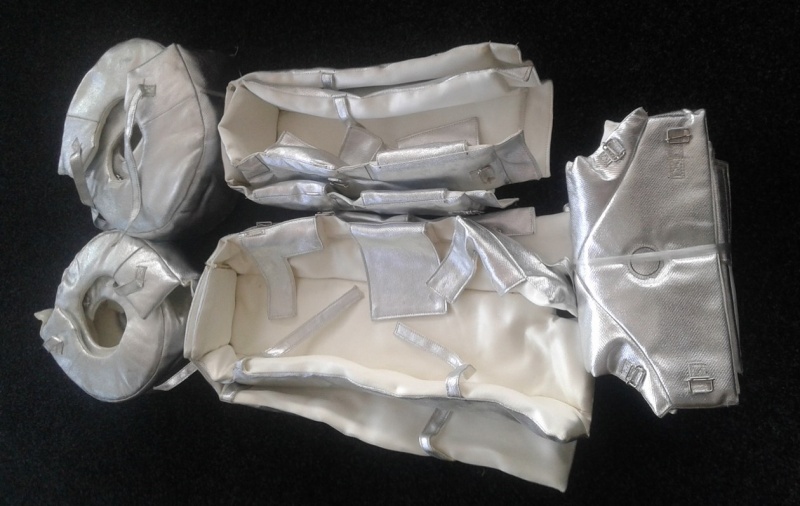
Горячая выхлопная труба не только создает некомфортные температуры поверхности.
Тепло, излучаемое выхлопной системой, может постоянно подвергать близлежащие детали воздействию повышенных температур. В компактных моторных отсеках расстояние между выхлопной системой и электрическими жгутами, резиновыми шлангами, топливными линиями, датчиками, пластиковыми компонентами или элементами кузова может быть очень небольшим.
Правильная теплозащита выхлопной системы может помочь:
Правильно спроектированный теплозащитный экран выхлопной системы прерывает прямой путь излучения между компонентом выхлопной системы и близлежащими деталями.
Это особенно важно вблизи:
турбокомпрессоров;
выпускных коллекторов;
приемных труб;
каталитических нейтрализаторов;
систем DPF;
глушителей;
выхлопных колен;
выхлопных систем под днищем автомобиля.
Изолированные одеяла и кожухи для труб могут уменьшить прямое воздействие чрезвычайно горячих металлических поверхностей.
Это важно в машинных отделениях, корпусах генераторов, судовых установках и оборудовании, где операторы или обслуживающий персонал могут работать рядом с выхлопной системой.
Чрезмерное тепло выхлопной системы может ускорить разрушение расположенных рядом электрических, полимерных и эластомерных компонентов.
Поэтому контроль тепла часто учитывается при проектировании проводки двигателя, шлангов, датчиков, жидкостных линий, кузовных панелей и электронных систем.
Современные автомобили и машины все чаще размещают больше компонентов внутри меньших моторных отсеков.
Эффективный тепловой экран системы выхлопа позволяет инженерам управлять локальными зонами нагрева без изменения всей схемы выхлопной системы.
BSTFLEX производит различные конструкции для термозащиты выхлопной системы, поскольку выхлопные системы значительно различаются по геометрии и условиям эксплуатации.
Съемный теплоизоляционный чехол для выхлопной системы разработан для плотной установки вокруг определенного компонента с возможностью снятия для осмотра или обслуживания.
Типичные конструкции могут сочетать:
высокотемпературный внешний текстильный слой;
сердцевину из теплоизоляционного материала;
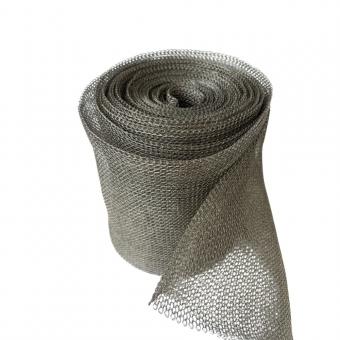
сетку из нержавеющей стали или внутренний слой, устойчивый к нагреву;
крючки и пружины;
проволочную шнуровку;
крепежные элементы из нержавеющей стали;
другие индивидуальные системы крепления.
Эти чехлы обычно используются для выпускных коллекторов, турбокомпрессоров, приемных труб, выхлопных труб, колен и других компонентов неправильной формы.
Для применения на коллекторах сложной формы см. BSTFLEX титановый теплоизоляционный чехол для выпускного коллектора и теплоизоляционный чехол для коллектора турбокомпрессора.
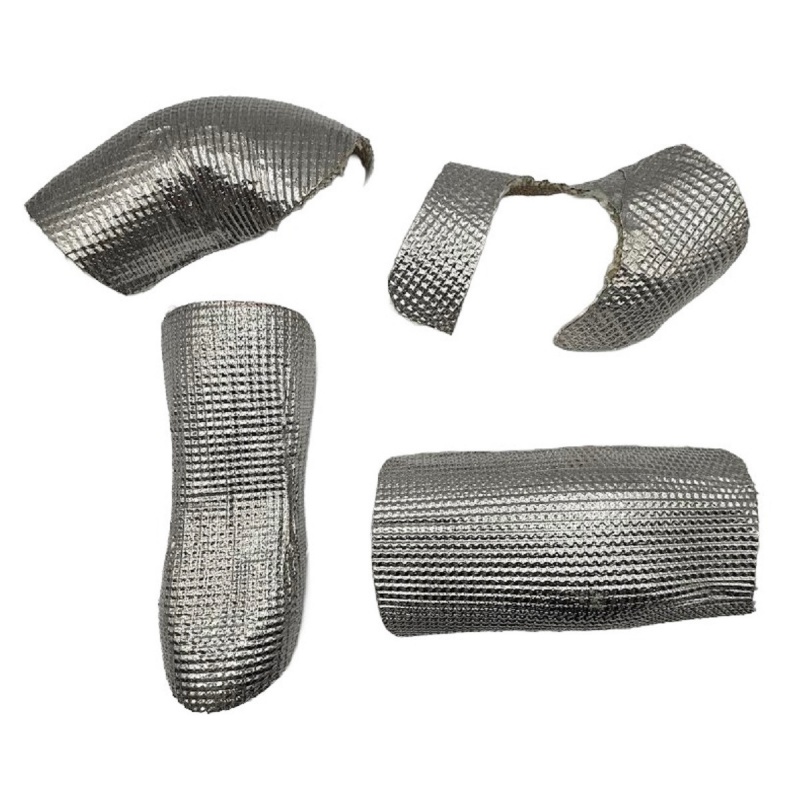
Теплоизоляция выхлопных труб используется там, где требуется термозащита значительной длины выхлопного трубопровода.
В зависимости от диаметра трубы, температуры, условий эксплуатации и требований к обслуживанию теплоизоляция может поставляться в виде:
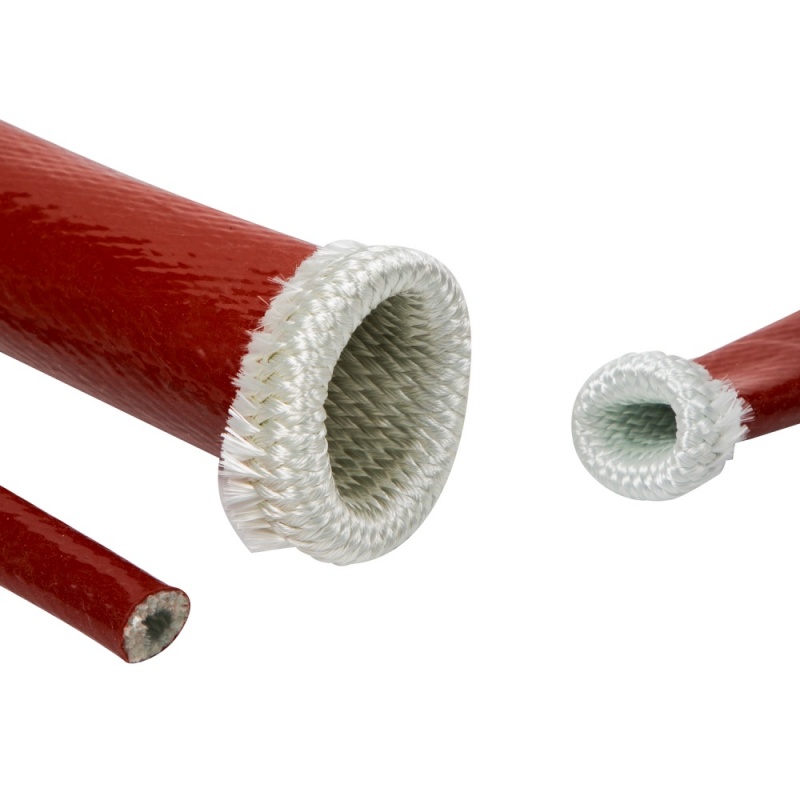
съемных чехлов для труб;
текстильных теплоизоляционных рукавов;
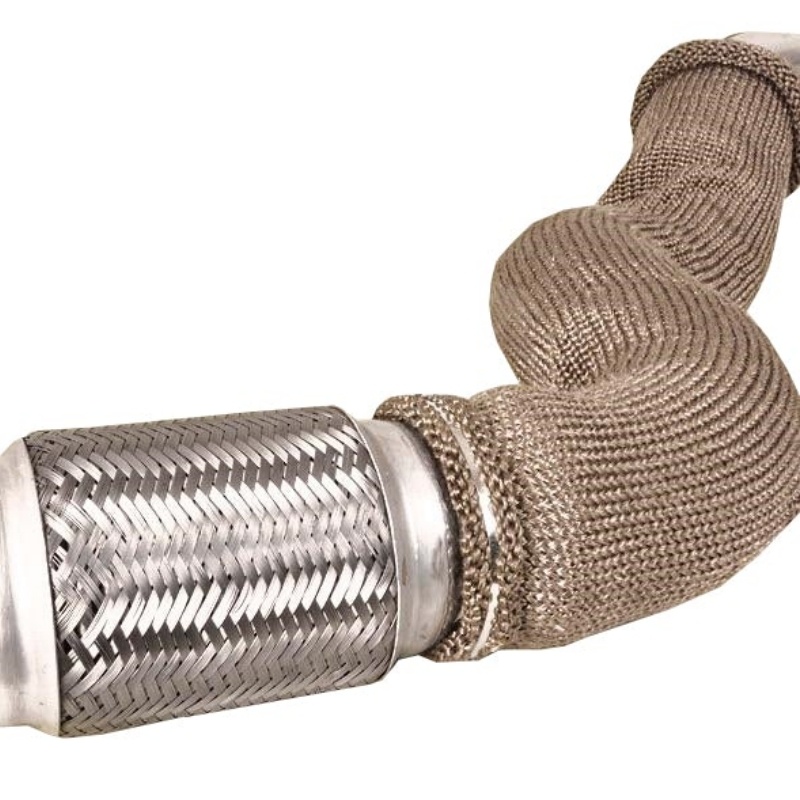
изоляционной обмотки выхлопной системы;
обмотки выхлопной системы;
сегментированных теплоизоляционных кожухов;
тепловых барьеров с металлическим покрытием.
Теплоизоляция труб особенно полезна для дизельных двигателей, генераторов, судовых выхлопных систем, промышленных двигателей и оборудования в закрытых корпусах.
Цель состоит не просто в размещении изоляции вокруг трубы. Система теплоизоляции должна выдерживать термоциклирование, вибрацию и геометрию соединений, изгибов, фланцев и точек крепления.
Выпускные коллекторы — это компактные высокотемпературные компоненты, расположенные рядом со многими важными деталями двигателя.
теплоизоляционный чехол для выпускного коллектора повторяет геометрию коллектора и помогает удерживать тепло до того, как оно распространится по моторному отсеку.
Применения включают:
автомобили с высокими эксплуатационными характеристиками;
двигатели с турбонаддувом;
гоночные системы;
дизельные двигатели;
промышленные двигатели;
тяжелое оборудование.
BSTFLEX может разрабатывать чехлы для коллекторов по чертежам, измерениям, данным CAD или физическим образцам.
Стандартную плоскую теплоизоляцию часто сложно устанавливать вокруг колен и изогнутых компонентов выхлопной системы.
Фасонный чехол обеспечивает более равномерное покрытие и уменьшает количество перекрытий или зазоров вокруг изгиба.
BSTFLEX Теплоизоляционный чехол для колена предназначен для такой геометрии и может адаптироваться для выпускных стояков, смесительных колен и других изогнутых трубопроводов с высокой температурой.
Системы выхлопа с турбонаддувом часто требуют дополнительного контроля температуры в области нисходящей трубы из-за ее близости к проводке, шлангам, компонентам трансмиссии и конструкциям моторного отсека.
Фасонный Теплоизоляционный чехол для нисходящей трубы обеспечивает локальную изоляцию без необходимости оборачивать всю выхлопную систему.
Не для каждого применения следует использовать текстильный чехол.
Если требуется конструкционная долговечность, ограниченная толщина или сильное отражение лучистого тепла, более подходящим может быть сформированный металлический теплозащитный экран.
Распространенные материалы включают:
алюминий;
тисненый алюминий;
нержавеющая сталь;
тисненая нержавеющая сталь;
никелевые сплавы.
Для тяжелых условий эксплуатации выхлопных систем и турбонаддува BSTFLEX производит Теплозащитный экран из сплава Alloy 625 Inconel, который может поставляться в виде листового материала или компонентов теплозащитных экранов, изготовленных по индивидуальному заказу.
Некоторые оригинальные выхлопные системы уже имеют декоративный или конструкционный внешний экран, но требуют дополнительной тепловой защиты.
В этой ситуации теплоизоляционный вкладыш можно установить между выхлопной трубой и существующим теплозащитным экраном.
Вкладыш теплозащитного экрана выхлопной системы BSTFLEX сочетает металлическое покрытие с высокотемпературной изоляцией и может быть точно вырезан для соответствия требованиям конкретного применения.
Этот подход особенно полезен, когда необходимо сохранить неизменным первоначальный внешний вид.
Термоизоляционная обмотка выхлопной системы обеспечивает гибкую изоляцию вокруг труб, где жесткий экран или фасонный чехол могут быть не нужны.
BSTFLEX Термоизоляционная обмотка выхлопной системы дизельного отопителянапример, обеспечивает гибкое решение для изоляции небольших выхлопных труб, используемых в морских установках, RV и других установках дизельных обогревателей.
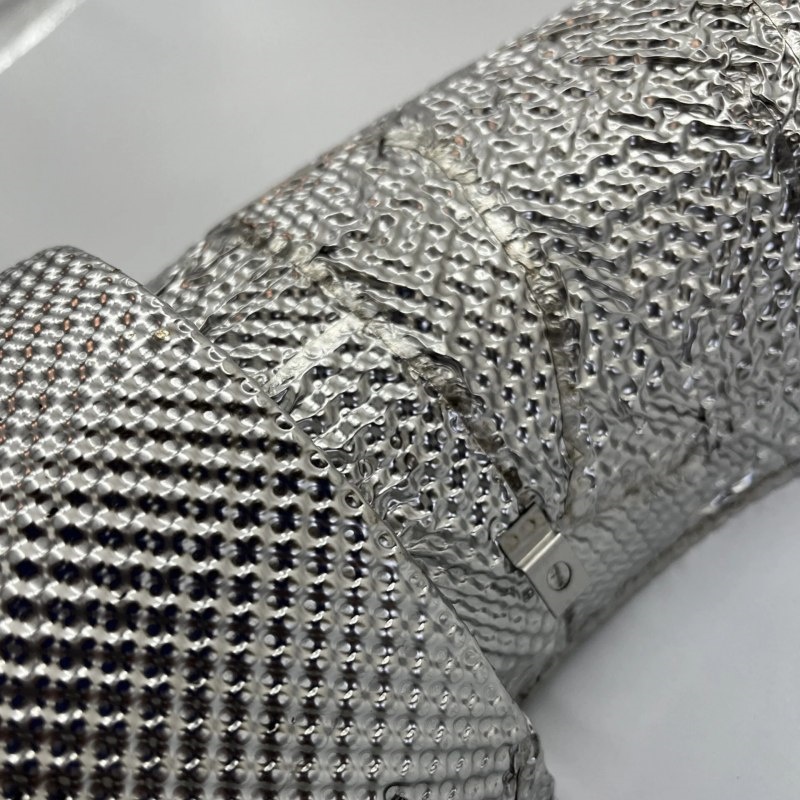
Не существует единственного материала, который был бы лучшим для каждой выхлопной системы.
Выбор материала зависит от:
непрерывной рабочей температуры;
пиковых значений температуры;
интенсивности лучистого тепла;
требуемой толщины изоляции;
механической вибрации;
воздействия коррозии;
влаги;
масел и топлива;
доступного пространства;
геометрии компонентов;
частоты обслуживания;
требований к массе.
Стекловолокно широко используется для изоляции выхлопных систем, поскольку оно сочетает термостойкость, гибкость и практичную стоимость производства.
Оно может использоваться в:
выхлопных рукавах;
обмотке изоляционным материалом;
изоляционных одеялах;
тепловых вкладышах;
композитных теплозащитных экранах.
Текстильные материалы с высоким содержанием кремнезема выбираются для зон с более высокой температурой, где стандартное стекловолокно может не обеспечивать достаточную термостойкость.
Ткани из кремнезема и изоляционные слои могут использоваться в выхлопных одеялах, барьерах и высокотемпературных изоляционных конструкциях.
Материалы на основе базальта часто используются в теплозащите высокопроизводительных выхлопных систем.
Они обеспечивают полезное сочетание температурной стойкости, гибкости и механической прочности для одеял коллекторов, одеял для выхлопных труб и аналогичных применений.
Керамические или другие высокотемпературные изоляционные сердцевины могут обеспечивать более высокую термостойкость там, где требуется значительное снижение температуры в условиях ограниченного монтажного пространства.
Обычно они защищены внешним текстильным или металлическим слоем, а не подвергаются прямому воздействию.
Алюминий имеет малый вес и является высокоэффективным отражателем лучистого тепла.
Он обычно используется для:
экранов под днищем кузова;
экранов глушителя;
экранов каталитического нейтрализатора;
тепловых барьеров пола;
тепловые барьеры моторного отсека.
Нержавеющая сталь обеспечивает более высокую механическую прочность и температурную стойкость по сравнению с алюминием во многих выхлопных системах.
Она особенно подходит для случаев, когда экран подвергается воздействию вибрации, дорожного мусора или повышенных температур выхлопных газов.
Никелевые сплавы, такие как сплав 625, используются там, где условия эксплуатации выхлопной системы требуют повышенной устойчивости к нагреву, окислению и коррозии.
Обычно они применяются в тяжелых условиях эксплуатации, где традиционные решения из алюминия или нержавеющей стали могут не обеспечивать требуемую долговечность.
Автомобильные выхлопные системы создают несколько различных тепловых зон.
Тепловая защита может потребоваться вокруг:
выпускных коллекторов;
выпускных патрубков;
турбокомпрессоров;
приёмных труб;
каталитических нейтрализаторов;
систем DPF;
глушителей;
тоннелей трансмиссии;
напольных панелей;
выхлопных труб днища кузова.
An тепловой экран выхлопной системы автомобиля может представлять собой как легкий тисненый алюминиевый экран, так и подогнанный теплоизоляционный чехол коллектора или многослойный барьер из нержавеющей стали.
Правильное решение зависит от того, что необходимо защитить.
Если цель состоит в защите пола или панели кузова от лучистого тепла, отражающего барьера может быть достаточно.
Если цель состоит в непосредственном удержании тепла вокруг выпускного коллектора или приемной трубы, подогнанный теплоизоляционный чехол обычно обеспечивает более полное удержание тепла.
Дизельные двигатели используются в грузовиках, строительной технике, генераторах, сельскохозяйственном оборудовании, морских судах и стационарных энергетических системах.
Такие установки часто работают в течение длительных периодов и могут располагать выхлопные трубы рядом с гидравлическими линиями, проводкой, топливными системами или зонами доступа персонала.
Изоляция выхлопной трубы дизельного двигателя может включать:
съемные теплоизоляционные чехлы для выхлопной системы;
изоляционные кожухи для труб;
теплоизоляционные чехлы коллекторов;
теплоизоляционные чехлы турбокомпрессоров;
изоляционную обмотку выхлопной системы;
гибкие теплоизоляционные рукава;
металлические тепловые экраны.
Съемные конструкции особенно полезны там, где требуется регулярное техническое обслуживание двигателя.
Генераторные установки могут выделять значительное количество тепла внутри относительно компактных акустических кожухов или помещений для генераторов.
Изоляция выхлопных труб может помочь контролировать тепло, выделяемое:
коллекторами;
турбокомпрессорами;
гибкими участками выхлопной системы;
глушителями;
выхлопными трубами;
изгибами и коленами.
Для проектов OEM генераторов изоляция должна разрабатываться с учетом фактического диаметра трубы, геометрии изгибов, фланцев, кронштейнов и доступа для обслуживания, а не рассматриваться как универсальное изделие одного размера.
Машинные отделения судов имеют другие требования по сравнению с пассажирскими транспортными средствами.
Пространство ограничено, компоненты выхлопной системы могут располагаться рядом с зонами доступа персонала, а система изоляции должна работать в условиях, где вибрация и влага являются важными факторами проектирования.
Типичные применения на судах включают:
выхлопные трубы морских дизельных двигателей;
выхлопные стояки;
выхлопные колена;
турбокомпрессоры;
коллекторы;
системы выхлопа генераторов;
выхлопные трубопроводы отопителей.
Съемные чехлы изоляции выхлопной системы судовмогут изготавливаться секциями, чтобы отдельные компоненты можно было снимать во время обслуживания без демонтажа всей системы изоляции.
Выпускной коллектор является одним из наиболее концентрированных источников тепла во многих моторных отсеках.
Различные подходы включают:
Лучше всего подходит там, где требуется плотное удержание тепла.
Полезен там, где в конструкцию можно включить жесткий барьер и контролируемый воздушный зазор.
Подходит для определенной геометрии труб и выпускных коллекторов, где возможно непрерывное обматывание.
Выбор должен основываться на конструкции компонента, доступе для обслуживания и тепловой цели, а не на предположении, что один метод универсально лучше другого.
Глушители также могут требовать внешней тепловой защиты, особенно если они расположены рядом с днищем автомобиля, кузовными панелями, конструкциями машинного отделения или другим чувствительным к теплу оборудованием.
Возможные решения включают:
изолирующие чехлы для глушителей;
тисненые алюминиевые экраны;
теплозащитные экраны из нержавеющей стали;
алюминизированные тепловые барьеры;
вкладыши для изоляции.
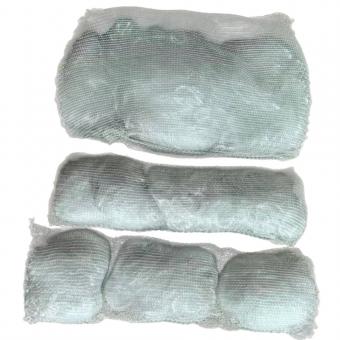
Внутренняя акустическая набивка выполняет другую функцию, чем внешний теплозащитный экран. Если требуется снижение уровня шума или замена набивки, см. ассортимент BSTFLEX Набивка глушителя.
Выбор между этими тремя распространёнными методами теплового контроля зависит от области применения.
| Требование | Теплоизоляционный кожух выхлопной системы | Обмотка выхлопной системы | Металлический теплозащитный экран |
|---|---|---|---|
| Съёмный для обслуживания | Отлично | Ограниченно | Хорошо |
| Компонент сложной формы | Отлично | Умеренно | Требуется формовка |
| Длинная прямая труба | Хорошо | Отлично | Зависит от применения |
| Отражение лучистого тепла | Умеренно | Ограниченно | Отлично |
| Близкая тепловая изоляция | Отлично | Отлично | Зависит от воздушного зазора |
| Компонент, сформированный OEM-производителем | Хорошо | Ограниченно | Отлично |
| Индивидуальный прототип | Отлично | Отлично | Отлично |
| Регулярное техническое обслуживание | Отлично | Ограниченный | Хороший |
Для многих проектов OEM несколько систем объединяются.
Например, в автомобиле могут использоваться:
теплозащитный чехол коллектора возле головки блока цилиндров;
теплозащитный чехол турбокомпрессора вокруг корпуса турбины;
теплозащитный чехол приемной трубы ниже по потоку;
щит из нержавеющей стали вокруг каталитического нейтрализатора;
алюминизированный барьер под полом.
Именно поэтому теплозащиту выхлопной системы следует рассматривать как систему, а не как отдельный материал.
Перед выбором теплоизоляционного изделия для выхлопной системы определите тепловую проблему.
Является ли источником:
коллектор;
турбокомпрессор;
выхлопная труба;
колено;
приемная труба;
каталитический нейтрализатор;
DPF;
глушитель;
выхлопная линия генератора?
Постоянная температура обычно важнее кратковременной пиковой температуры.
Изоляционный материал, наружная поверхность и система крепления должны подходить для фактических условий эксплуатации.
Решение может быть предназначено для защиты:
электрических жгутов;
датчиков;
гидравлических шлангов;
топливных линий;
полов транспортных средств;
операторов;
панелей кузова;
электронных модулей;
соседнего оборудования.
Толстый чехол может обеспечить значительную теплоизоляцию, но может не поместиться между близко расположенными компонентами.
Когда зазор ограничен, более подходящим может быть более тонкий многослойный металлический экран.
Если компонент выхлопной системы требует регулярного обслуживания, обычно предпочтительнее использовать съемные теплоизоляционные чехлы с крючками, пружинами или механическими креплениями вместо постоянной обмотки.
Применение в нижней части кузова автомобиля, моторные отсеки морских судов и стационарные генераторные установки подвергают изоляцию совершенно разным сочетаниям:
влага;
вибрация;
дорожные загрязнения;
масло;
топливо;
истирание;
механическое воздействие.
Наружная конструкция должна выбираться соответственно.
Стандартные теплозащитные экраны решают стандартные задачи.
Многие выхлопные системы OEM не имеют стандартной геометрии.
BSTFLEX разрабатывает индивидуальные теплозащитные экраны для выхлопных систем и теплоизоляционные чехлы для компонентов, включая:
выпускные коллекторы;
турбокомпрессоры;
выхлопные трубы;
стояки;
колена;
нисходящие трубы;
каталитические нейтрализаторы;
корпуса DPF;
глушители;
выхлопные системы генераторов;
морские выхлопные системы.
Разработка может начинаться с:
инженерных чертежей;
геометрии CAD;
эскизов с размерами;
фотографий с измерениями;
физических образцов;
существующих теплоизоляционных деталей.
В зависимости от применения индивидуализация может включать:
выбор материала;
толщину изоляции;
марку металла;
тиснёный рисунок поверхности;
геометрия одеяла;
вырезы;
отверстия;
швы;
усиление;
крючки;
пружины;
проволочная шнуровка;
монтажные отверстия;
кронштейны;
обработка кромок;
идентификационные этикетки;
упаковка OEM.
Опытные партии и производственные объёмы могут быть разработаны в соответствии с требованиями проекта.
Тепловые характеристики экрана выхлопной системы определяются не только температурным пределом, указанным в техническом паспорте материала.
Фактические характеристики зависят от:
температуры выхлопных газов;
температуры поверхности выхлопной системы;
расстояния экрана от источника тепла;
воздушного зазора;
толщины изоляции;
коэффициента излучения материала;
воздушного потока;
геометрии экрана;
точек крепления;
тепловых мостов;
окружающей температуры.
По этой причине два теплозащитных экрана, изготовленных из одного и того же материала, могут работать совершенно по-разному при установке в разных конфигурациях.
Надёжная конструкция начинается с анализа реальных тепловых условий.
| Применение | Типовое предпочтительное решение |
|---|---|
| Выпускной коллектор | Формованное изоляционное одеяло или изготовленный металлический экран |
| Турбокомпрессор | Изоляционное одеяло для турбокомпрессора |
| Выпускная труба | Формованное одеяло для выпускной трубы или теплозащитный экран |
| Длинная выхлопная труба | Теплоизоляционный чехол, рукав, изоляционный слой или обертка для трубы |
| Выхлопной коленчатый патрубок | Индивидуальный теплоизоляционный чехол для колена |
| Каталитический нейтрализатор | Формованный алюминиевый, нержавеющий или многослойный экран |
| Глушитель | Металлический экран, чехол или отражающий барьер |
| Выхлопная система генератора | Съемные теплоизоляционные чехлы для труб и изоляция коллектора |
| Морская выхлопная система | Съемные чехлы, изоляция труб и теплоизоляция колен |
| Выхлоп дизельного отопителя | Гибкая теплоизоляция выхлопной системы |
| Автомобильный пол | Алюминизированный или металлический радиационный тепловой барьер |
Теплозащитный экран выхлопной системы снижает передачу тепла от горячих компонентов выхлопной системы к близлежащим деталям. В зависимости от конструкции он может отражать лучистое тепло, удерживать тепло у источника или снижать температуру внешней поверхности.
Не существует универсального лучшего материала. Подходящая изоляция выхлопной трубы зависит от рабочей температуры, диаметра трубы, пространства для установки, окружающей среды, требуемого снижения температуры и необходимости съемного монтажа изоляции.
Распространенные материалы включают алюминий, нержавеющую сталь, никелевые сплавы, стекловолокно, кремнезем, базальт и высокотемпературные теплоизоляционные волокна. Многослойные системы часто сочетают металлический внешний слой с изоляционным сердечником.
Выхлопной теплоизоляционный чехол обычно предпочтителен для компонентов сложной формы, которым требуется съемная изоляция, тогда как обертка для выхлопной трубы особенно практична для непрерывных участков труб и выпускных коллекторов. Лучший выбор зависит от геометрии и требований к обслуживанию.
Да. Теплоизоляция выхлопной системы может изготавливаться в соответствии с диаметром трубы, геометрией компонента, толщиной изоляции и рабочими условиями. Формованные чехлы также могут включать отверстия, усиленные участки и системы крепления, разработанные для конкретного применения.
Теплозащитный экран для выхлопной трубы — это тепловой барьер, расположенный вокруг трубы или рядом с ней, для снижения воздействия лучистого тепла на окружающие компоненты. Это может быть формованный металлический экран, многослойный барьер, съемной теплоизоляционный чехол или гибкий рукав.
Да. Индивидуальные проекты по теплозащите и изоляции выхлопной системы могут разрабатываться на основе чертежей, размерной информации, геометрии CAD или физических образцов.
Типичные применения включают автомобильные выхлопные системы, двигатели с турбонаддувом, дизельные двигатели, генераторные установки, строительную технику, судовые двигатели, промышленное оборудование и высокопроизводительные выхлопные системы.
Защита от тепла выхлопной системы редко решается выбором одного материала из каталога.
Правильная система зависит от источника тепла, окружающих компонентов, доступного пространства, условий эксплуатации и требуемых тепловых характеристик.
BSTFLEX поставляет и разрабатывает теплоизоляцию теплозащитного экрана выхлопной системы для производителей оригинального оборудования, производителей выхлопных систем, разработчиков двигателей, производителей оборудования, дистрибьюторов и высокопроизводительных применений.
Доступные решения варьируются от легких радиационных барьеров до съемных высокотемпературных теплоизоляционных чехлов и индивидуальных формованных металлических теплозащитных экранов.
Для нового проекта предоставьте чертёж компонента выхлопной системы, размеры, фотографии, рабочую температуру, среду установки, требуемое количество и любые требования к целевой температуре поверхности. BSTFLEX может оценить применение и порекомендовать подходящий материал и конструкцию.
Запросите RFQ для изготовления по индивидуальному заказу теплоизоляции теплозащитного экрана выхлопной системы, теплоизоляции выхлопной трубы или комплектных компонентов системы управления тепловым режимом выхлопной системы.

No.10, Chuangxin North Road, Nanshan Park, Ningguo Economic and Technological Development Zone, Ningguo City, Anhui Province, China
тел/Whatsapp : 0086-15856303740
Эл. адрес : sales@bstbraidedsleeve.com
Skype : vanesa-cheng