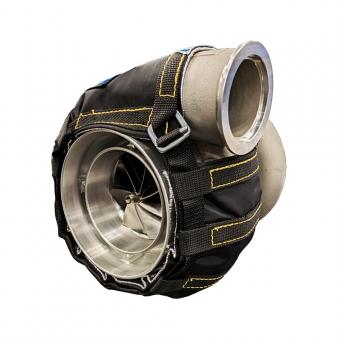
что ты ищешь?
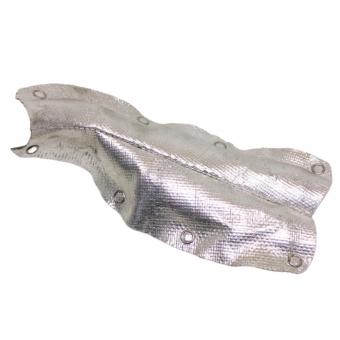
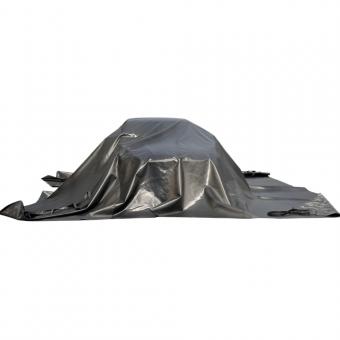
An изоляционный чехол для выхлопной системы представляет собой съемный тепловой барьер, разработанный для установки вокруг горячих компонентов выхлопной системы и снижения количества тепла, выделяемого в окружающие области.
В отличие от жестких металлических экранов, выхлопные чехлы плотно повторяют сложные формы, такие как выпускные коллекторы, корпуса турбокомпрессоров, приемные трубы, колена, глушители и выхлопные трубопроводы. Это делает их особенно подходящими для применений, где высокотемпературные поверхности необходимо изолировать без постоянной модификации выхлопной системы.
BSTFLEX производит изготовленные на заказ выхлопные чехлы для автомобильных, дизельных, генераторных, морских, тяжелого оборудования и промышленных применений выхлопных систем.
Наши теплоизоляционные чехлы для выхлопных систем могут быть разработаны по чертежам, размерным данным, геометрии CAD или физическим образцам и изготовлены с различными внешними материалами, изоляционными сердцевинами, внутренними слоями и системами крепления в соответствии с рабочей температурой и условиями установки.
Для получения полного ассортимента продукции для управления теплом выхлопной системы см. линейку теплоизоляции для защиты выхлопной системы BSTFLEX.
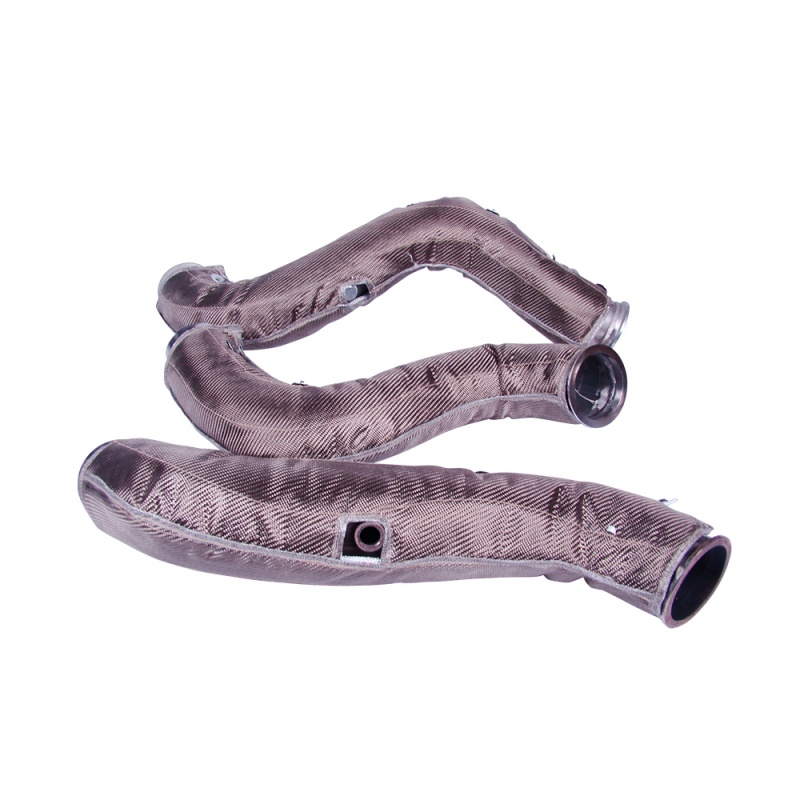
Изоляционный чехол для выхлопной системы — это гибкая многослойная теплоизоляционная конструкция, изготовленная для непосредственной установки вокруг горячего компонента выхлопной системы.
Типичная конструкция может содержать три функциональных слоя:
Внешний слой защищает изоляционную систему от истирания, вибрации, загрязнения маслом, влаги и механических воздействий при эксплуатации.
В зависимости от применения распространенные внешние материалы могут включать:
высокотемпературную стеклоткань;
стеклоткань с силиконовым покрытием;
кремнеземную ткань;
базальтовую ткань;
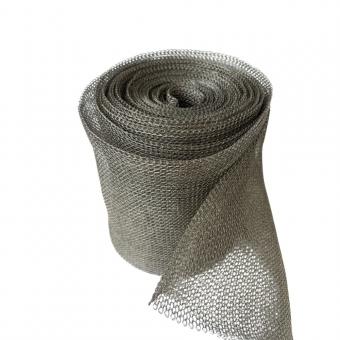
сетку из нержавеющей стали;
металлическую фольгу или другие армированные конструкции.
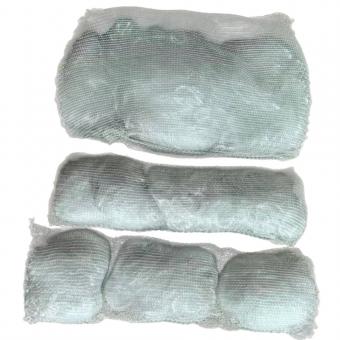
Сердцевина изоляции обеспечивает основное сопротивление передаче тепла путем теплопроводности.
Выбор материала зависит от:
рабочей температуры;
требуемого снижения температуры поверхности;
допустимой толщины чехла;
зазора для установки;
вибрации;
условий эксплуатации.
Различные плотности и толщины изоляции могут использоваться в соответствии с требуемыми тепловыми характеристиками.
Внутренняя поверхность обращена к компоненту выхлопной системы.
Она должна выдерживать прямое воздействие горячей поверхности выхлопной системы и повторяющиеся циклы нагрева.
В зависимости от конструкции могут использоваться:
термостойкий текстиль;
сетка из нержавеющей стали;
ткань, устойчивая к высоким температурам;
металлическая фольга;
армированная композитная конструкция.
Эти слои сшиваются, скрепляются или механически собираются в профилированный кожух, разработанный с учетом фактической геометрии выхлопной системы.
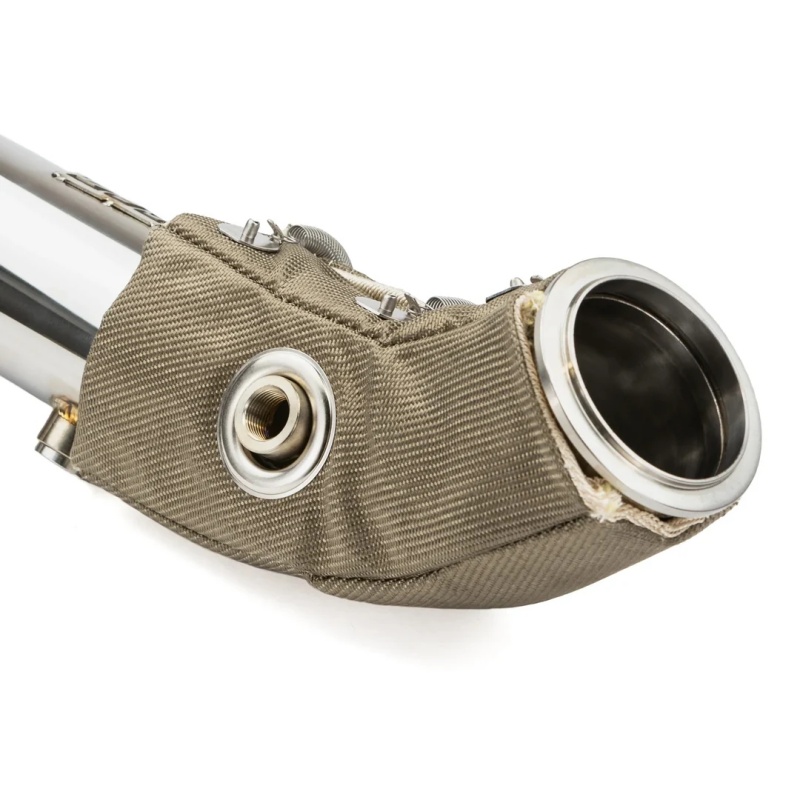
Основное назначение кожуха для выхлопной системы — удерживать тепло вблизи выхлопного компонента.
Это может обеспечить несколько практических преимуществ.
Выпускные коллекторы, турбокомпрессоры и выхлопные трубы могут излучать значительное количество тепла в моторный отсек или корпус оборудования.
Плотно прилегающий изоляционный кожух снижает прямое тепловое излучение, достигающее расположенных рядом компонентов.
Внешняя поверхность изолированного выхлопного компонента может быть значительно холоднее, чем неизолированная поверхность выхлопной системы.
Это особенно важно в:
помещениях с генераторами;
отсеках судовых двигателей;
промышленном оборудовании;
тяжелой технике;
закрытых системах двигателей;
зонах доступа для технического обслуживания.
К расположенным рядом компонентам могут относиться:
жгуты проводов;
шланги;
топливные магистрали;
гидравлические линии;
датчики;
кузовные панели;
пластиковые детали;
аккумуляторы;
электронные блоки управления.
Снижение воздействия лучистого тепла может улучшить тепловые условия вокруг этих компонентов.
Удержание тепла выхлопных газов ближе к потоку выхлопа может снизить накопление тепла в окружающем моторном отсеке.
Это особенно важно там, где поток воздуха ограничен.
Одно из главных преимуществ съемного кожуха для выхлопной системы — удобство обслуживания.
Одеяло с использованием крючков, пружин, проволочной шнуровки или других съемных систем крепления можно снять для проверки и установить обратно после технического обслуживания.
Это часто предпочтительнее, чем постоянная обмотка компонента выхлопной системы.
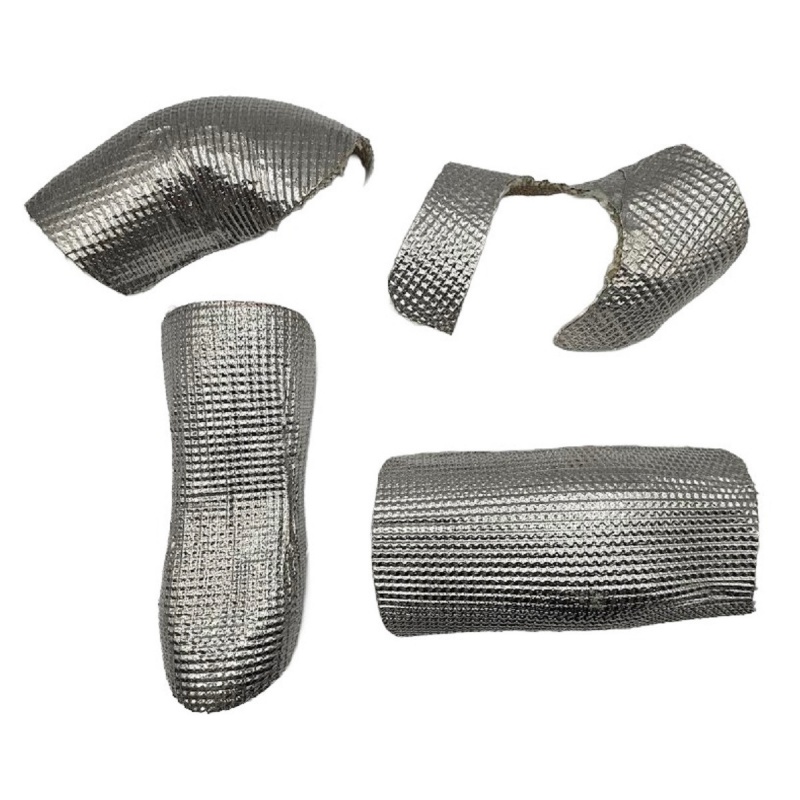
Выхлопное одеяло и металлический теплозащитный экран выхлопной системы выполняют не совсем одинаковые функции.
| Характеристика | Теплоизоляционное одеяло выхлопной системы | Металлический теплозащитный экран выхлопной системы |
|---|---|---|
| Основная функция | Удерживать и изолировать тепло | Отражать и блокировать лучистое тепло |
| Установка | Непосредственно вокруг компонента | Обычно отделен воздушным зазором |
| Гибкость | Высокая | Низкая |
| Сложная геометрия | Отлично | Требует формовки |
| Съемность | Отличная | Хорошая |
| Индивидуальный прототип | Легко разработать | Требуется оснастка для формовки или изготовление |
| Изоляция труб | Отличная | Зависит от применения |
| Изоляция выпускного коллектора | Отличная | Хорошая |
| Защита днища автомобиля для OEM | Ограниченная | Отличная |
| Толщина | Обычно выше | Обычно ниже |
Для многих выхлопных систем обе технологии могут использоваться вместе.
Турбокомпрессор может использовать изоляционное одеяло, в то время как пол автомобиля над ним использует штампованный теплозащитный экран из нержавеющей стали или алюминия.
Выхлопная лента наматывается вокруг трубы или коллектора перекрывающимися слоями.
Выхлопной теплоизоляционный чехол изготавливается как фасонный компонент и устанавливается вокруг определённой геометрии.
Лучше всего подходит для:
непрерывных выхлопных трубок;
коллекторов;
простых изгибов;
применений с компонентами вторичного рынка;
применений, где допустима постоянная обмотка.
Лучше всего подходит для:
турбокомпрессоров;
коллекторов;
отводов;
глушителей;
больших выхлопных труб;
генераторов;
судовых двигателей;
промышленного оборудования;
компонентов, требующих регулярного обслуживания.
Чехол обычно является предпочтительным решением, когда теплоизоляцию необходимо многократно снимать без разрушения изоляционной системы.
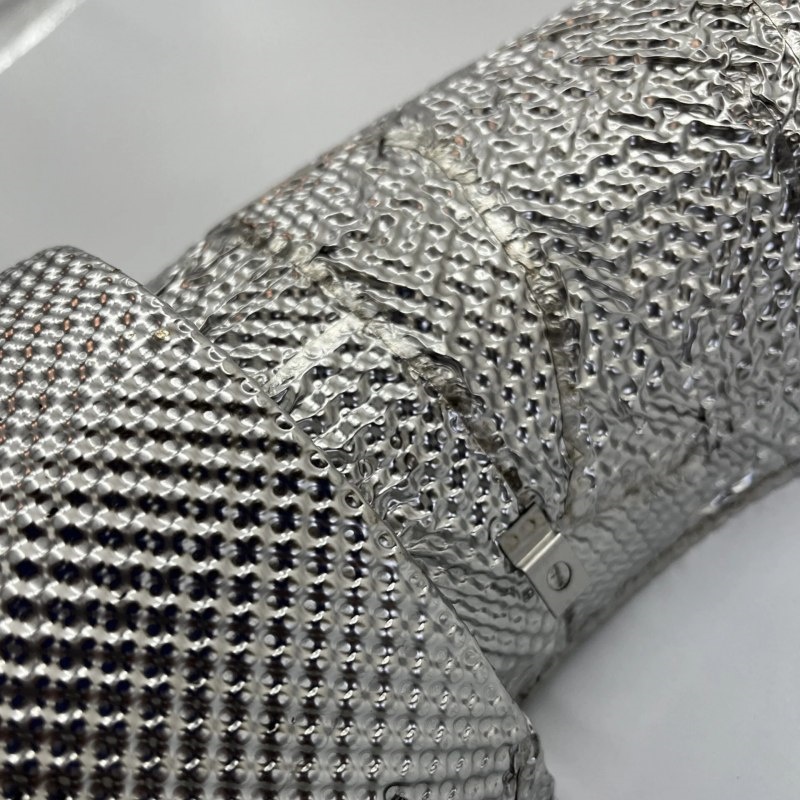
Температурная стойкость выхлопного чехла зависит от всей сборки, а не от одного материала.
Важные факторы включают:
ткань горячей стороны;
сердцевину изоляции;
наружную ткань;
швейную нить;
крепёжные элементы;
толщину чехла;
движение воздуха;
температуру поверхности выхлопной системы;
продолжительность воздействия.
Конструкции из стекловолокна широко используются для теплоизоляции выхлопных систем при умеренных и высоких температурах.
Они обеспечивают:
хорошую гибкость;
практичную стоимость изготовления;
широкую доступность;
высокую пригодность для изготовления нестандартных форм.
Они обычно используются для выхлопных труб, генераторных систем и промышленных компонентов выхлопных систем.
Материалы с высоким содержанием кремнезёма предпочтительны там, где требуется более высокая температурная стойкость.
Они часто используются вокруг:
коллекторов;
турбокомпрессоров;
высокопроизводительных дизельных выхлопных систем;
промышленных выхлопных систем.
Текстиль на основе базальта сочетает термостойкость с механической гибкостью.
Они обычно используются в автомобильной сфере и для изоляции высокопроизводительных выхлопных систем.
Фольга из нержавеющей стали, сетка или другие металлические слои могут использоваться там, где требуется дополнительная:
стойкость к истиранию;
стойкость к воздействию масла;
механическая долговечность;
контроль лучистого тепла
.
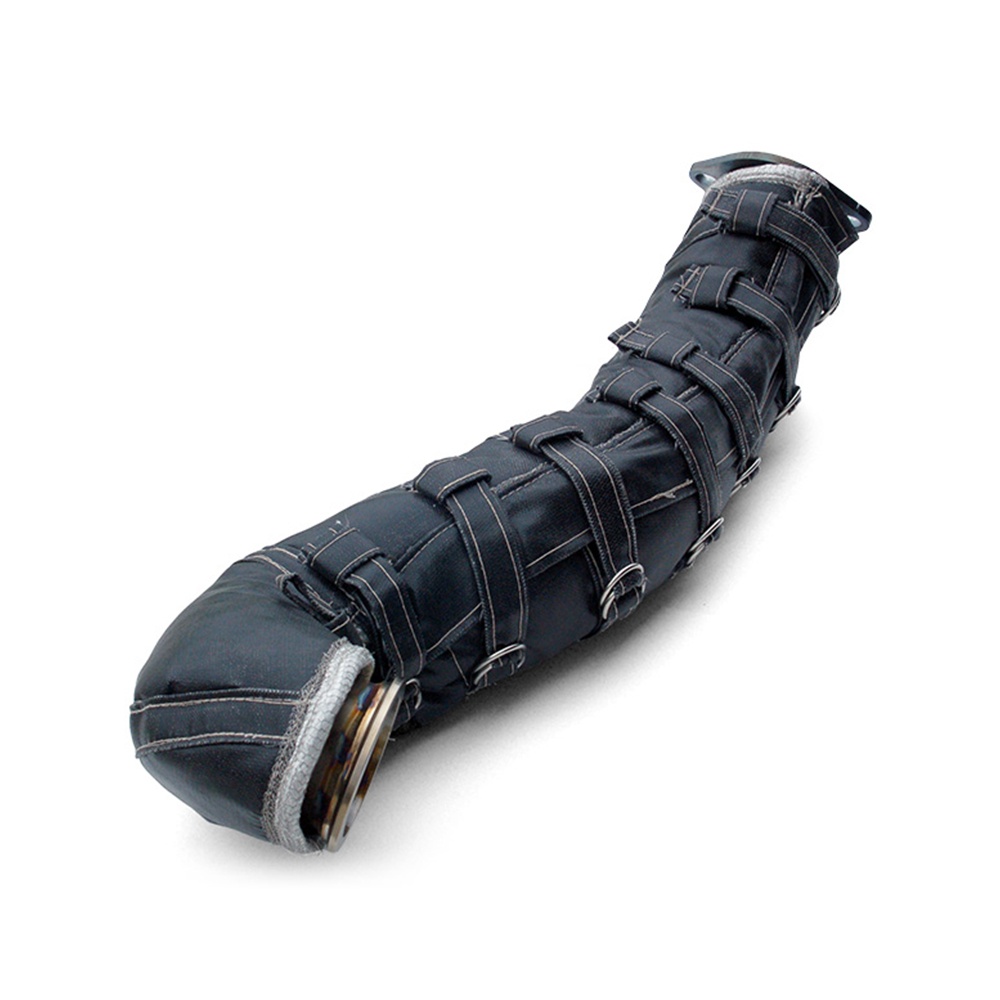
Стандартная прямоугольная изоляция не работает эффективно на выхлопных системах со сложной геометрией.
индивидуальное выхлопное одеяло должно точно повторять форму компонента, сохраняя при этом возможность практичной установки и снятия.
BSTFLEX может производить индивидуальные одеяла для:
выпускных коллекторов;
турбокомпрессоров;
выхлопных труб;
приёмных труб;
колен;
гибких секций;
каталитических нейтрализаторов;
корпусов DPF;
глушителей;
шумоглушителей;
морских выхлопных стояков;
выхлопных систем генераторов.
Индивидуальная разработка может начинаться с:
технических чертежей;
файлов CAD;
размерных эскизов;
фотографии;
шаблоны;
физические образцы.
Метод крепления является важной частью конструкции теплоизоляционного кожуха выхлопной системы.
Варианты могут включать:
крючки и пружины;
шнуровку из нержавеющей стальной проволоки;
пряжки;
ремни;
защёлкивающиеся крепления;
индивидуальные металлические крепёжные элементы;
пришитые точки крепления.
Система крепления должна выдерживать вибрации и термоциклирование, обеспечивая при этом удобное снятие.
a теплоизоляционный кожух для выхлопной трубы предназначен для прямых участков труб, фланцев, изгибов и труб выхлопной системы большего диаметра.
В отличие от выхлопной обмотки, съёмные кожухи для труб могут быть выполнены из отдельных секций.
Это делает их подходящими для:
выхлопных линий генераторов;
выхлопных труб дизельных двигателей;
систем судовых двигателей;
промышленных выхлопных трубопроводов;
стационарного оборудования.
Отдельные секции можно снимать во время проверки, не нарушая работу всей системы изоляции.
Выхлопные коллекторы создают концентрированный нагрев рядом с двигателем.
Подогнанный по форме кожух коллектора может помочь снизить передачу тепла к:
проводке;
шлангам;
впускным системам;
областям перегородки моторного отсека;
крышкам двигателя;
электрическим компонентам.
BSTFLEX производит фасонную изоляцию для коллекторов, включая такие изделия, как Титановый теплоизоляционный кожух коллектора и Теплоизоляционный кожух турбоколлектора.
Турбокомпрессоры работают в чрезвычайно концентрированной зоне высоких температур.
Одеяло для теплоизоляции турбокомпрессора разработано для установки вокруг корпуса турбины с учётом предотвращения помех для:
компонентов привода;
масляных линий;
линий охлаждающей жидкости;
фланцев;
крепёжных элементов.
Конструкция одеяла для турбокомпрессора должна учитывать как тепловые характеристики, так и точную посадку.
Колена сложно изолировать с помощью плоских материалов, поскольку изоляция должна повторять изогнутую трёхмерную форму.
Формованное одеяло улучшает покрытие и уменьшает открытые зазоры вокруг изгиба.
BSTFLEX поставляет теплоизоляционное одеяло для колена для такого типа применения.
Выпускные трубы после турбокомпрессора могут располагаться близко к компонентам трансмиссии, проводке и окружающим элементам кузова.
Специальное теплоизоляционное одеяло для выпускной трубы может обеспечивать локальное удержание тепла, оставаясь при этом съёмным.
Дизельные двигатели широко используются в:
грузовиках;
автобусах;
сельскохозяйственном оборудовании;
строительной технике;
генераторах;
морских судах;
промышленных энергетических системах.
изоляционное одеяло для дизельной выхлопной системы может использоваться вокруг:
коллекторов;
турбокомпрессоров;
выпускных труб;
глушителей;
колен;
корпусов DPF.
Поскольку такие двигатели часто работают в течение длительного времени, долговечность изоляции и надёжность крепления имеют критическое значение.
Генераторные системы часто работают внутри закрытых корпусов.
Тепло, излучаемое компонентами выхлопной системы, может значительно повысить внутреннюю температуру корпуса.
Система теплоизоляции выхлопа генератора может включать чехлы для:
коллекторов;
турбокомпрессоров;
выхлопных труб;
гибких соединителей;
глушителей;
колен.
Конструкция со съемными чехлами особенно подходит для производителей генераторов, поскольку выхлопная система часто требует периодического обслуживания.
В машинных отделениях судов ограничено пространство и находится множество систем, чувствительных к нагреву.
A судовой теплоизоляционный чехол для выхлопа может быть разработан для:
выхлопных коллекторов дизельных двигателей;
турбокомпрессоров;
выхлопных стояков;
сухих выхлопных трубопроводов;
выхлопа генератора;
судовых глушителей;
выхлопных колен.
При разработке внешней конструкции также следует учитывать воздействие влаги, вибрации и условия эксплуатации в морской среде.
Глушители могут создавать значительную температуру внешней поверхности.
Теплоизоляционный чехол для выхлопного глушителя может использоваться, когда глушитель установлен рядом с:
полами транспортных средств;
панелями оборудования;
зонами оператора;
проводкой;
топливными системами.
Для применений, требующих внутренней акустической набивки вместо внешней теплоизоляции, см. ассортимент продукции BSTFLEX набивки для глушителей.
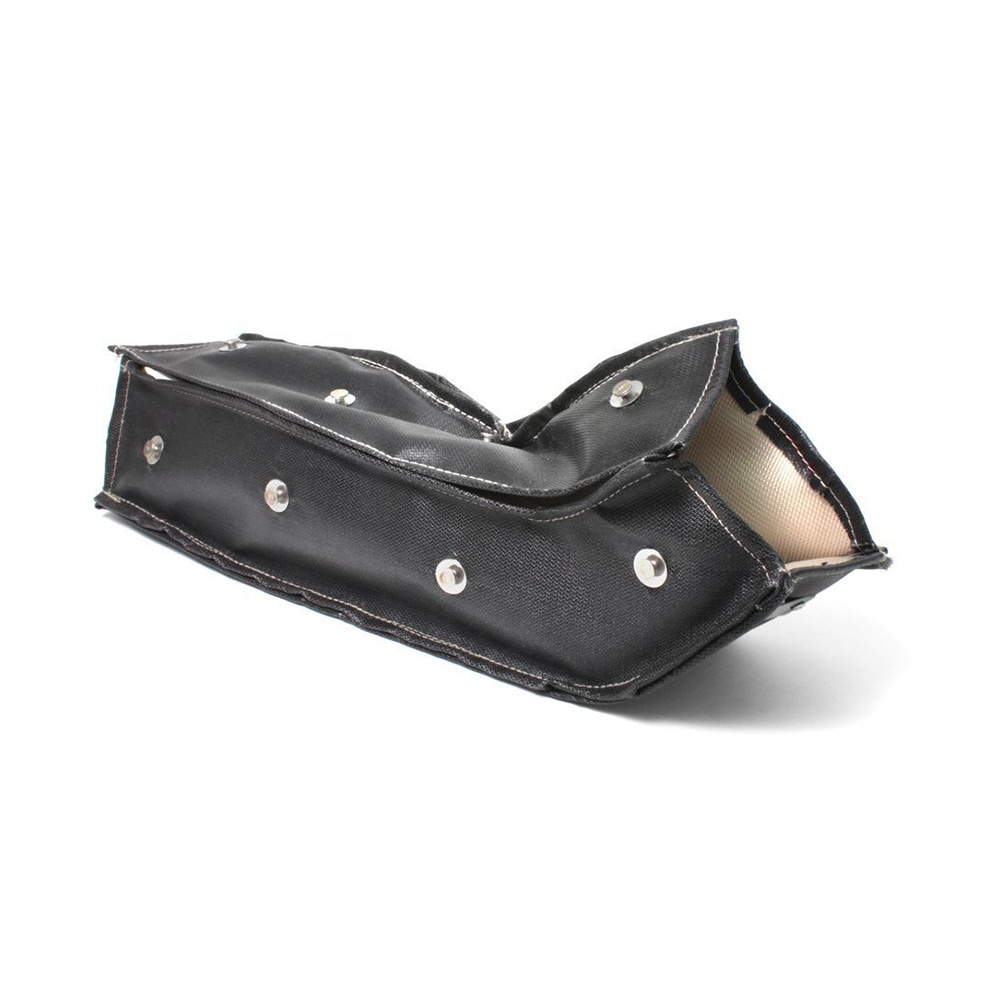
Для точного расчета стоимости и проектирования предоставьте как можно больше информации о применении.
Укажите:
наружный диаметр;
общую длину;
углы изгиба;
размеры фланцев;
монтажные кронштейны;
положения датчиков;
соединения труб.
Укажите оба параметра:
нормальная непрерывная температура;
максимальная ожидаемая температура.
Толщина должна основываться на:
требуемом снижении температуры;
доступном пространстве для установки;
конструкции одеяла.
Если требуется определённая целевая температура поверхности, укажите целевое значение и рабочие условия.
Укажите, будет ли одеяло подвергаться воздействию:
масла;
топлива;
воды;
соляного тумана;
истирания;
вибрации;
погодных условий на открытом воздухе;
частого технического обслуживания.
Укажите:
количество прототипов;
годовое количество;
размер партии.
Это позволяет оптимизировать метод производства и конфигурацию материалов для проекта.
Успешное проектирование выхлопного одеяла требует не только простого увеличения толщины изоляции.
Важные факторы проектирования включают:
Большие воздушные зазоры между одеялом и компонентом могут изменить тепловые характеристики и создать проблемы при установке.
Швы следует размещать вдали от зон с наибольшим нагревом, где это возможно.
Порты датчиков, кронштейны, фланцы и трубные соединения должны быть точно расположены.
Крепёжные элементы и металлические компоненты могут проводить тепло через систему изоляции.
Поэтому их расположение следует учитывать на этапе проектирования.
Одеяла, используемые на двигателях, должны выдерживать многократную вибрацию без чрезмерного смещения или истирания.
Одеяло должно сниматься без повреждения расположенных рядом компонентов.
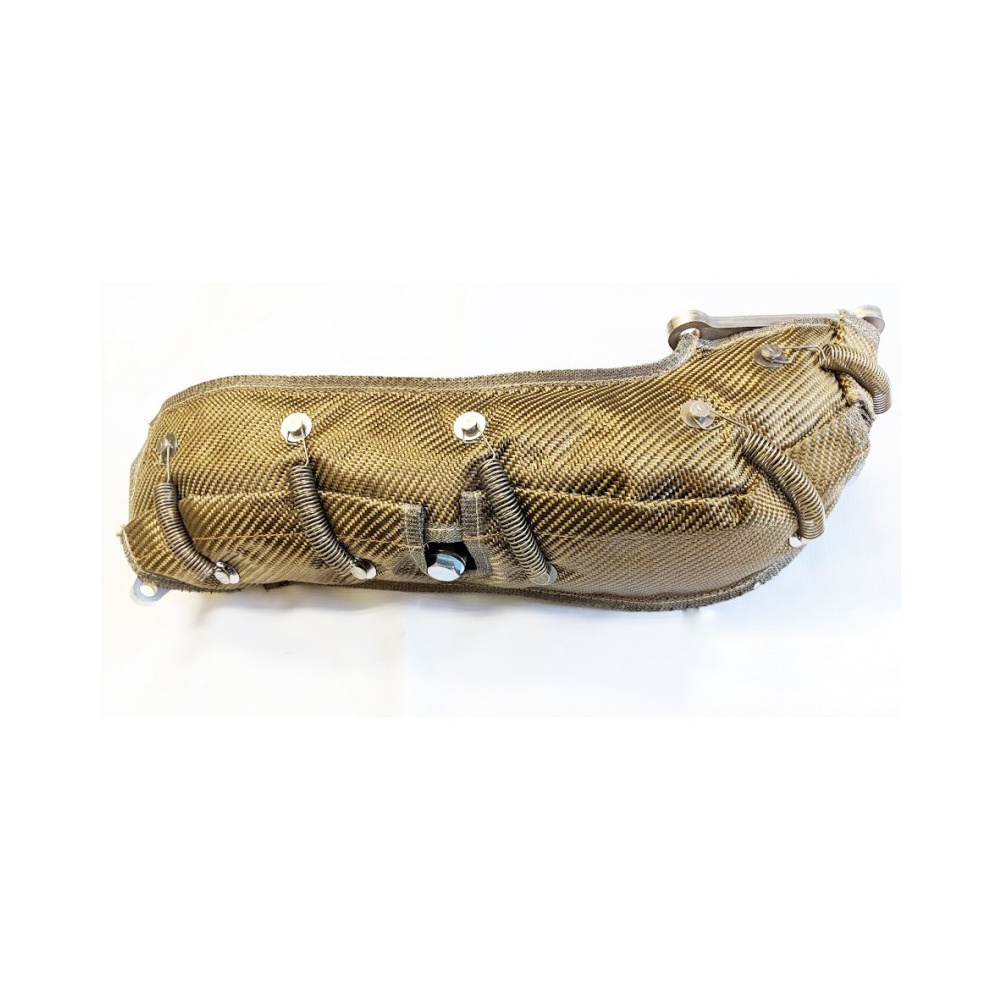
Выхлопные термоодеяла BSTFLEX могут использоваться в:
выпускные коллекторы;
турбокомпрессоры;
приёмные трубы;
глушители;
высокопроизводительные выхлопные системы.
дизельные выхлопные трубы;
турбокомпрессоры;
системы доочистки выхлопных газов;
моторные отсеки.
выпускные коллекторы;
турбокомпрессоры;
выхлопные трубопроводы;
глушители.
сухие выхлопные системы;
судовые дизельные двигатели;
выхлопные стояки;
выхлопные системы генераторов.
строительная техника;
горнодобывающее оборудование;
сельскохозяйственная техника;
оборудование для перемещения материалов.
стационарные двигатели;
технологические выхлопные трубопроводы;
высокотемпературные воздуховоды;
глушители выхлопной системы.
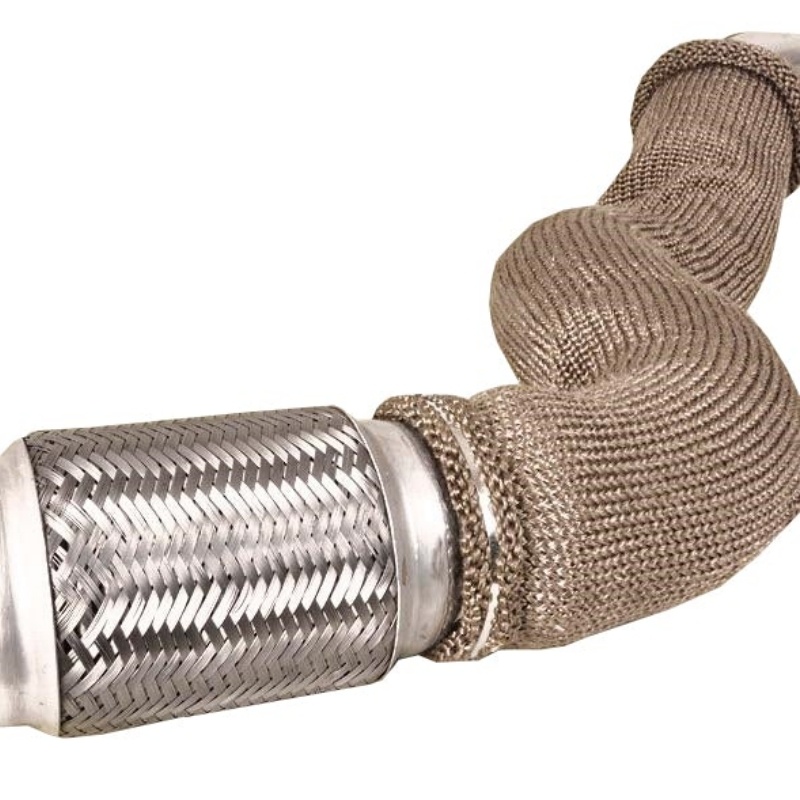
| Применение | Рекомендуемый тип чехла |
|---|---|
| Турбокомпрессор | Фасонный теплоизоляционный чехол для турбокомпрессора |
| Выпускной коллектор | Индивидуальный чехол для коллектора |
| Прямая выхлопная труба | Съёмный теплоизоляционный чехол для трубы |
| Выхлопной отвод | Формованный чехол для отвода |
| Нижняя труба турбокомпрессора | Фасонный чехол для нижней трубы |
| Выхлопная система генератора | Сегментированный съёмный теплоизоляционный чехол |
| Морская выхлопная система | Влагостойкий съёмный чехол |
| Глушитель | Крупноформатный теплоизоляционный чехол или металлический теплозащитный экран |
| Дизельный двигатель | Высокотемпературный виброустойчивый чехол |
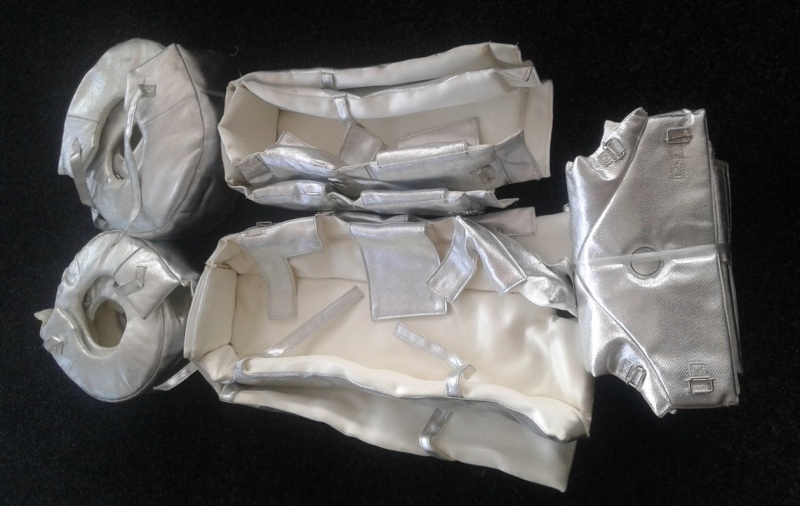
Теплоизоляционный чехол для выхлопной системы — это гибкий многослойный тепловой барьер, устанавливаемый вокруг компонента выхлопной системы для снижения передачи внешнего тепла и температуры поверхности.
Конструкция зависит от температуры и условий эксплуатации. Типичные материалы включают стекловолокно, кремнезёмное волокно, базальт, сетку из нержавеющей стали и высокотемпературные изоляционные сердцевины.
Большинство индивидуальных чехлов для выхлопной системы могут быть оснащены съёмными системами крепления, такими как крючки и пружины, проволочная шнуровка или ремни.
Да. Индивидуальные чехлы могут изготавливаться для коллекторов, турбокомпрессоров, отводов, глушителей, фланцев и других сложных компонентов выхлопной системы.
Да. Они широко используются для дизельных коллекторов, турбокомпрессоров, выхлопных труб, генераторов, морских двигателей и тяжёлого оборудования.
Да. Разработка может выполняться на основе чертежей, CAD-файлов, размеров, фотографий или физических образцов.
Нет. Обмотка выхлопной системы наматывается непосредственно вокруг трубки, тогда как чехол изготавливается как съёмный формованный изоляционный компонент.
Да. Толщина чехла может выбираться в соответствии с рабочей температурой, доступным пространством и требуемыми тепловыми характеристиками.
BSTFLEX производит высокотемпературные изоляционные изделия для выхлопных систем для производителей OEM, поставщиков выхлопных систем, производителей двигателей, дистрибьюторов и производителей промышленного оборудования.
Наши возможности включают:
изготовление по индивидуальной геометрии;
разработку прототипов;
различную толщину изоляции;
множество вариантов внешних материалов;
индивидуальные системы крепления;
разработку на основе образцов;
производство по чертежам;
производственные объемы;
упаковку под собственной торговой маркой и OEM-упаковку.
Для применений, требующих полного сочетания покрытий, металлических экранов, изоляции труб и радиационных барьеров, посетите категорию продукции BSTFLEX Теплозащитная изоляция выхлопной системы.
Для получения коммерческого предложения предоставьте размеры компонентов или чертежи, рабочую температуру, условия эксплуатации, требуемое количество и, при необходимости, целевую температуру внешней поверхности.
Запросите RFQ на изготовленный по индивидуальному заказу изоляционный чехол для выхлопной системы, разработанный для вашей выхлопной системы.

No.10, Chuangxin North Road, Nanshan Park, Ningguo Economic and Technological Development Zone, Ningguo City, Anhui Province, China
тел/Whatsapp : 0086-15856303740
Эл. адрес : sales@bstbraidedsleeve.com
Skype : vanesa-cheng