что ты ищешь?
Краткое резюме: А Огнезащитная муфта для топливопровода Это критически важное усовершенствование, когда топливные шланги проходят вблизи горячих компонентов выхлопной системы, деталей турбокомпрессора или зон моторного отсека, подверженных воздействию высоких температур. теплозащитный огнезащитный рукав Используется силиконовый внешний слой поверх стекловолокна для снижения воздействия тепла, защиты от брызг и обеспечения более безопасной прокладки топливопроводов в автомобильной и промышленной отраслях.
Категория товара: Огнезащитный рукав | Регулировка температуры со стороны выхлопных газов: Решения для теплоизоляции вытяжных систем | Технические PDF-файлы: Скачать техническую документацию | Система качества: Гарантия качества
А Огнезащитная муфта для топливопровода (также называемый рукав огнезащитного щита , теплозащитный рукав , или автомобильный теплозащитный рукав Это защитная трубчатая муфта, устанавливаемая на топливные шланги для снижения воздействия тепла и ограничения распространения пламени в случае возникновения аномального перегрева. Она обычно используется в местах, где топливопроводы проходят вблизи:
Хотя данная статья посвящена топливным шлангам, аналогичная конструкция используется и в других целях. теплозащитный рукав для проволоки для жгутов и кабельных каналов, используемых в зонах с высокой температурой.
ИЗОБРАЖЕНИЕ №1
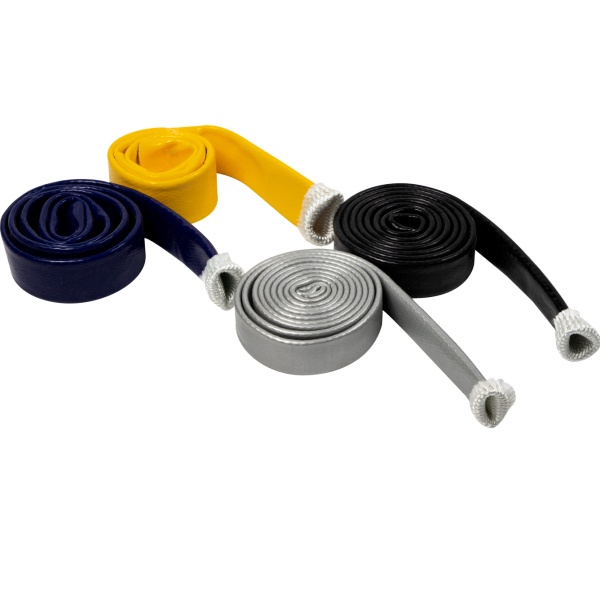
Этот теплозащитный огнезащитный рукав построен с использованием:
В реальных условиях эксплуатации теплозащита должна выдерживать вибрацию, температурные циклы и истирание. Именно поэтому правильный подбор размеров и надлежащее крепление имеют такое же значение, как и сам материал. Если ваша топливопроводная магистраль проходит близко к компонентам выхлопной системы, рассмотрите возможность снижения нагрева в источнике, используя решения для изоляции выхлопных систем Затем защитите топливный шланг огнезащитным рукавом.
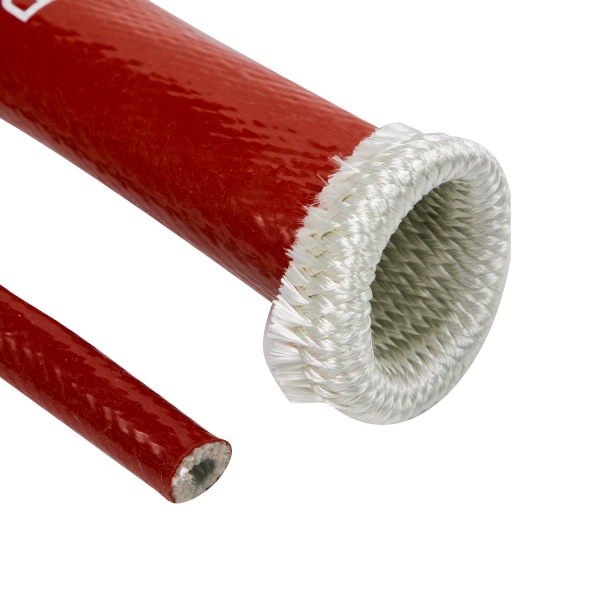
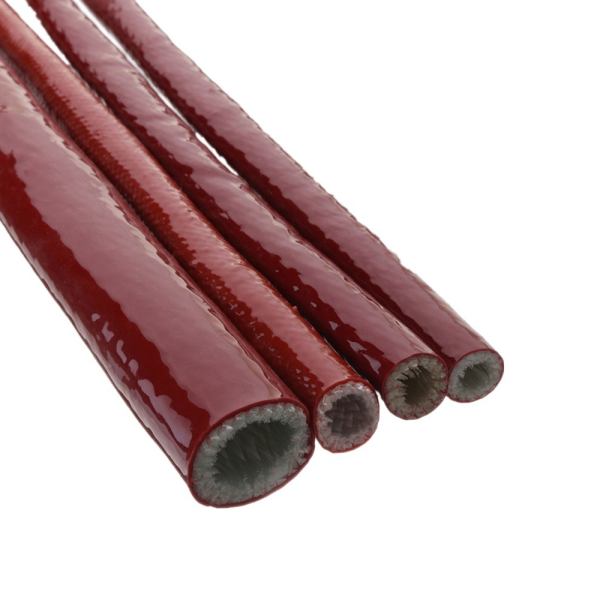
При выборе топливного шланга размер следует определять, исходя из диаметра самого шланга. внешний диаметр (OD) не внутренний диаметр. Измерьте внешний диаметр шланга в точке защиты, затем выберите внутренний диаметр муфты с учетом практических допусков:
Если вам нужно освежить знания о размерах, воспользуйтесь нашей справочной страницей по техническим вопросам. Логика определения размеров по внутреннему и внешнему диаметру и преобразование окружности в диаметр.
Нет. Он широко используется в автомобильной и промышленной технике везде, где топливные шланги прокладываются вблизи компонентов, подверженных воздействию высоких температур. Он обеспечивает более безопасную прокладку и повышенную долговечность при воздействии высоких температур.
Да. Такая же конструкция из стекловолокна с силиконовым покрытием обычно используется для защиты жгутов проводов, проходящих вблизи источников тепла выхлопных газов.
Да. Многие технические характеристики продукции и PDF-файлы с описанием вакансии доступны в интернете. Скачать техническую документацию Если вам требуется сертификат соответствия (CoC) или пакет документов для инспекции для утверждения, обратитесь к следующему разделу. Гарантия качества или запросить это через Запросить ценовое предложение .
Укажите внешний диаметр шланга, необходимую длину, зазор до выхлопных компонентов и максимальную температуру (если известна). Мы подтвердим рекомендуемый размер огнезащитного рукава и предоставим подтверждающую техническую документацию.
Запросить ценовое предложение Скачать техническую документацию

No.10, Chuangxin North Road, Nanshan Park, Ningguo Economic and Technological Development Zone, Ningguo City, Anhui Province, China
тел/Whatsapp : 0086-15856303740
Эл. адрес : sales@bstbraidedsleeve.com
Skype : vanesa-cheng