что ты ищешь?
Краткое резюме: Если вы ищете изолятор выхлопной системы , выхлопная изоляция , или изоляция выхлопной трубы Ключевым моментом является выбор конструкции, соответствующей вашему источнику тепла, рабочему циклу и ограничениям при установке. В этом руководстве объясняются практические правила выбора для теплоизоляция для выхлопной трубы , включая изоляция выхлопной трубы дизельного отопителя и изоляция выхлопной трубы дизельного отопителя приложения.
Решения для выхлопных систем: решения для изоляции выхлопных систем | Защита шлангов/проводов вблизи мест прокладки под напряжением: защита огнестойкой гильзы | Технические PDF-файлы: загрузить техническую документацию
Изоляция выхлопной системы (иногда называемый изолятор выхлопной системы Это теплозащитный слой, наносимый на компоненты выхлопной системы для снижения температуры поверхности и уменьшения теплового излучения в окружающую среду. На практике это означает следующее: теплоизоляция выхлопной трубы может:
В зонах с сильным нагревом оптимальным подходом часто является сначала снижение температуры в источнике, а затем добавление защиты для прилегающих частей. См. наши решения для изоляции выхлопных систем .
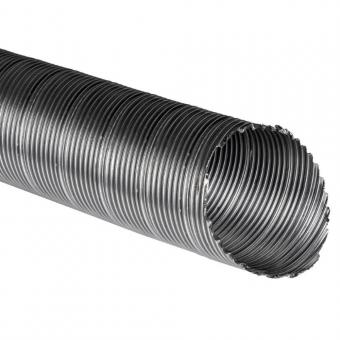
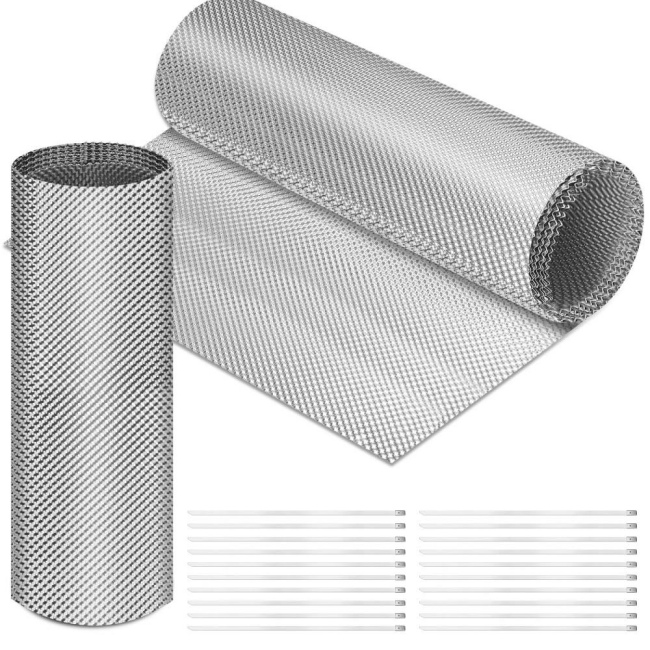
ИЗОБРАЖЕНИЕ №1
Люди часто ищут теплоизоляция выхлопных газов когда им на самом деле необходимо одно (или оба) из следующих:
Если выхлопная система сильно нагревается или зазор очень мал, начните с изоляция выхлопной трубы а затем защитить чувствительные линии с помощью огнезащитный рукав там, где это необходимо.

Выбирать выхлопная изоляция Основано на реальных условиях эксплуатации и включает запас прочности. Если вибрация может создавать точки контакта, рассматривайте «близкий контакт» как контакт и используйте более консервативные меры защиты.
изоляция выхлопной трубы дизельного отопителя Это поисковый запрос с высокой степенью заинтересованности, поскольку пользователи обычно имеют дело с узкими проходами и закрытыми отсеками (автодома, каюты морских судов, отсеки для оборудования). Цель изоляция выхлопной трубы дизельного отопителя предназначение:
Если вы изолируете выхлопную трубу отопителя, защитите также и расположенные рядом трубы с помощью изоляции. защита огнестойкой гильзы и проверьте точки крепления, чтобы предотвратить истирание под воздействием вибрации.
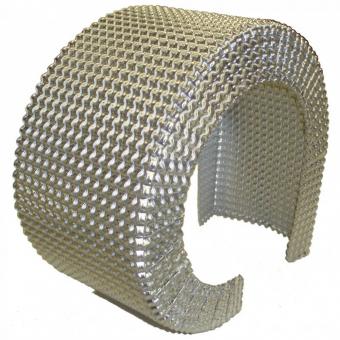
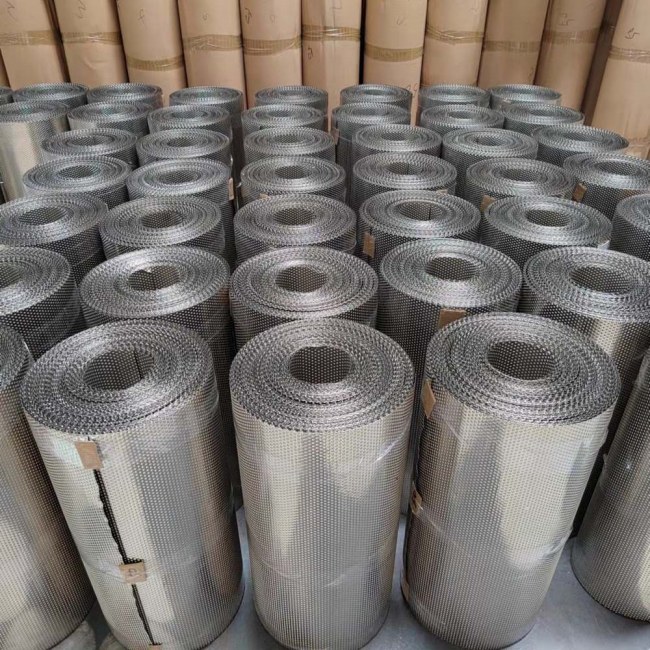
ИЗОБРАЖЕНИЕ №2

В большинстве поисковых запросов — да. Термин «изолятор выхлопной системы» часто используется как общее обозначение чего-либо. выхлопная изоляция Материалы, применяемые в компонентах выхлопной системы. Правильный выбор зависит от температуры, режима работы и ограничений при установке.
Не всегда. Изоляция выхлопной трубы Тепловые экраны снижают температуру поверхности в источнике излучения, а теплозащитные экраны предохраняют прилегающие части от его воздействия. В зонах с высокой температурой наиболее надежным решением, как правило, является сочетание обоих подходов.
Надежное крепление и зазор. В тесных отсеках изоляция должна оставаться стабильной при вибрации и температурных циклах, не смещаясь и не перетираясь.
Укажите диаметр выхлопной трубы, необходимую длину для изоляции, максимальную температуру (если известна), зазор до близлежащих частей и тип применения (автомобильный, дизельный отопитель, морской, генератор). Мы порекомендуем практичную конструкцию изоляции и предоставим подтверждающую техническую документацию.
Запросить ценовое предложение Скачать техническую документацию

No.10, Chuangxin North Road, Nanshan Park, Ningguo Economic and Technological Development Zone, Ningguo City, Anhui Province, China
тел/Whatsapp : 0086-15856303740
Эл. адрес : sales@bstbraidedsleeve.com
Skype : vanesa-cheng