что ты ищешь?
Как теплозащитные экраны из тисненой нержавеющей стали повышают прочность и обеспечивают контроль температуры.
Рельефные теплозащитные экраны из нержавеющей стали широко используются в автомобильных выхлопных системах, поскольку они выполняют гораздо больше функций, чем просто закрывают горячие компоненты. Правильно спроектированная рельефная структура способствует повышению жесткости, обеспечивает стабильный контроль температуры, снижает деформацию, вызванную вибрацией, и защищает расположенные рядом шланги, проводку, кузовные панели и чувствительные детали моторного отсека от сильного теплового излучения. Для производителей, изготовителей и тюнинговых компаний рельефная нержавеющая сталь часто является более практичным и долговечным выбором, чем плоский металлический экран, в условиях высоких температур выхлопных систем.
В компании BSTFLEX мы производим автомобильные теплозащитные экраны Для выхлопных систем, турбокомпрессоров, каталитических нейтрализаторов, перегородок моторного отсека и днища автомобиля. Мы также предлагаем индивидуальные решения по теплоизоляции из нержавеющей стали, алюминия и высокотемпературных сплавов для OEM-производителей, вторичного рынка и проектов по повышению производительности.
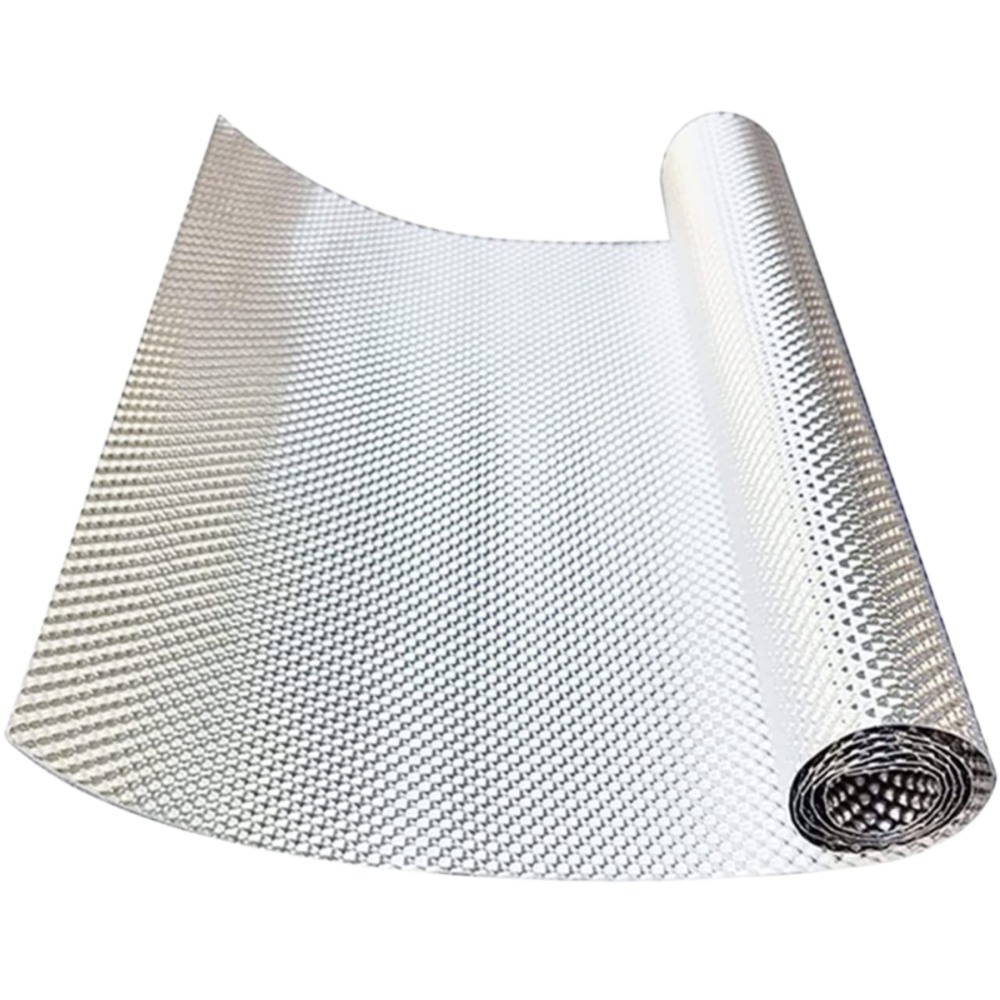
Рельефный теплозащитный экран из нержавеющей стали представляет собой формованный металлический тепловой барьер, изготовленный из листовой нержавеющей стали или фольги с рельефными узорами, вдавленными в поверхность. Эти узоры могут включать в себя углубления, бусины, текстуры, гофрирование или другие формованные элементы поверхности. Цель тиснения не ограничивается только визуальным эффектом. В первую очередь оно используется для повышения жесткости конструкции, оптимизации поведения воздушного зазора вокруг горячих компонентов и обеспечения более надежного теплоотвода в сложных условиях эксплуатации.
По сравнению с плоским листом, тисненый защитный экран обычно демонстрирует лучшие характеристики при воздействии вибрации, многократных термических циклов, близкого контакта с теплом выхлопных газов и монтажных нагрузок. Это делает тисненую нержавеющую сталь распространенным выбором для защиты выхлопных труб, глушителей, каталитических нейтрализаторов, турбокомпрессоров и тепловых барьеров в моторном отсеке.
В автомобильной промышленности теплозащитный экран постоянно подвергается воздействию не только температуры. Он также сталкивается с вибрацией, импульсами давления, дорожными ударами, воздушным потоком, влагой, коррозией и длительными термическими циклами. Если конструкция экрана слишком слаба, она может чрезмерно изгибаться, деформироваться со временем, трескаться вблизи точек крепления или терять воздушное пространство, необходимое для эффективной тепловой защиты.
Именно поэтому прочность экрана не является второстепенным фактором. Она напрямую влияет на срок службы, стабильность посадки и эффективность теплоотвода. Более прочная конструкция экрана помогает сохранять его форму в реальных условиях эксплуатации и обеспечивает более стабильную тепловую защиту с течением времени.
Главное структурное преимущество тиснения — повышенная жесткость. При тиснении листа нержавеющей стали образующийся профиль поверхности делает деталь более устойчивой к изгибу и деформации по сравнению с плоским листом той же толщины. Это позволяет производителям создавать более легкие теплозащитные экраны без ущерба для механической прочности.
Тиснение также может помочь следующим образом:
Для зон нагрева выхлопных газов и турбокомпрессоров эта дополнительная жесткость особенно ценна, поскольку геометрия защитного экрана часто должна точно повторять контуры, сохраняя при этом зазор от горячих поверхностей и расположенных рядом компонентов.
Тиснение не изменяет управление температурой за счет одного единственного механизма. Вместо этого оно улучшает терморегулирование благодаря нескольким взаимодействующим эффектам.
Теплозащитный экран работает наиболее эффективно, когда его конструкция остается в заданном положении. Если экран деформируется или сжимается в сторону источника тепла, тепловой зазор может уменьшиться, а локальная теплопередача — увеличиться. Более жесткая тисненая конструкция помогает сохранить заданную геометрию установки, что обеспечивает более надежную долговременную работу теплозащитного экрана.
Рельефные элементы могут помочь сохранить микроскопический зазор и структурное расстояние в некоторых конструкциях защитных экранов. Во многих случаях наличие замкнутого или контролируемого воздушного пространства способствует улучшению теплоизоляционных характеристик, поскольку воздух действует как тепловой барьер. Это особенно важно, когда экран установлен вблизи выхлопной трубы, каталитического нейтрализатора или корпуса глушителя.
Автомобильные теплозащитные экраны должны продолжать функционировать после многократного воздействия высоких температур. Рельефные конструкции из нержавеющей стали часто лучше подходят, чем плоские металлические листы, для сохранения функциональной геометрии в сложных температурных условиях, особенно когда вибрация и тепло воздействуют одновременно.
Нержавеющая сталь широко используется для изготовления рельефных теплозащитных экранов, поскольку она сочетает в себе высокую термостойкость с механической прочностью, коррозионной стойкостью и универсальностью изготовления. В системах выпуска отработавших газов эти свойства имеют решающее значение.
К основным преимуществам нержавеющей стали относятся:
В зависимости от зоны нагрева и требований проекта могут быть выбраны различные марки сплавов. Для более экстремальных условий могут также рассматриваться более высокоэффективные сплавы, такие как... Теплозащитный экран из сплава 625 инконель .
Плоский теплозащитный экран может быть полезен в некоторых менее сложных или требующих меньшего внимания барьерных конструкциях, особенно когда необходимо минимизировать затраты и сложность формовки. Однако для многих автомобильных выхлопных систем тисненая нержавеющая сталь предлагает более прочное инженерное решение в целом.
| Особенность | Рельефный теплозащитный экран из нержавеющей стали | Плоский теплозащитный экран |
|---|---|---|
| Структурная жесткость | Выше | Ниже |
| Устойчивость к деформации | Лучшая устойчивость к вибрации и термическим циклам. | Более склонна к изгибанию или деформации. |
| Долговечность в зонах выхлопа | Сильный | Зависит от приложения |
| Стабильность посадки | Более стабильные результаты с течением времени | Может снизиться, если панель смещается или деформируется. |
| Использование в сложных формах | Очень подходящий | Ограничены в некоторых сформированных планировках. |
Рельефные теплозащитные экраны из нержавеющей стали используются во многих областях автомобильной промышленности, работающих при высоких температурах, в том числе:
Для более комплексных системных решений вы также можете ознакомиться со всем нашим ассортиментом. автомобильные теплозащитные экраны .
Рельефная нержавеющая сталь обычно является оптимальным выбором, когда для применения требуется баланс между термостойкостью, механической прочностью, коррозионной стойкостью и стабильностью формы детали. Она особенно полезна в следующих случаях:
Если температура достигает экстремальных значений и превышает практический диапазон стандартных конструкций из нержавеющей стали, более подходящими могут быть барьеры из более высококачественных сплавов. В таких ситуациях может быть использовано такое решение, как... Теплозащитный экран из сплава 625 инконель может быть оценено.
Требования к нестандартным теплозащитным экранам зависят от платформы, места установки, целевой температуры, доступного пространства, способа монтажа и ожидаемой долговечности. Компания BSTFLEX поддерживает разработку нестандартных решений на основе чертежей, образцов или требований к производительности.
В число дополнительных опций могут входить:
Если вы заказываете деталь по индивидуальному проекту, наиболее полезная информация для составления коммерческого предложения включает в себя место установки, температурный режим, размеры, форму, способ монтажа, необходимое количество, а также наличие чертежа или образца.
Рельефные теплозащитные экраны из нержавеющей стали повышают прочность и улучшают контроль температуры, поскольку тиснение придает экрану более жесткую и стабильную структуру, что способствует его более эффективной работе в реальных условиях, характерных для автомобильных выхлопных систем. По сравнению с плоскими металлическими экранами, рельефные конструкции, как правило, обеспечивают лучшую устойчивость к вибрации, деформации и длительным температурным циклам, а также более стабильную теплоизоляцию.
Для выхлопных систем, турбокомпрессоров, каталитических нейтрализаторов, глушителей, перегородок моторного отсека и днища автомобиля тисненая нержавеющая сталь остается одним из наиболее практичных и надежных вариантов для термозащиты. Если для вашего проекта требуется индивидуальное решение, BSTFLEX может предложить штампованные, формованные и изготовленные по индивидуальным требованиям изделия. автомобильный теплозащитный экран разработка как для стандартных, так и для высокотемпературных платформ.
Рельефный теплозащитный экран обычно прочнее и жестче, чем плоский экран из того же основного материала. Это помогает ему противостоять вибрации, сохранять форму и обеспечивать более стабильную тепловую защиту в условиях высоких температур в автомобильной промышленности.
Это зависит от области применения. Нержавеющая сталь часто предпочтительнее, когда требуется более высокая прочность конструкции, долговечность и устойчивость к агрессивным условиям выхлопных газов. Алюминий может быть выбран там, где основными приоритетами являются вес и отражательная способность.
Они обычно используются вблизи выхлопных труб, каталитических нейтрализаторов, глушителей, турбокомпрессоров, моторных перегородок, днища и элементов днища кузова, где расположенные рядом детали должны быть защищены от перегрева.
Да. Теплозащитные экраны с тиснением на заказ могут быть изготовлены в соответствии с чертежами, образцами, рабочими температурами, местом установки, требованиями к монтажу и необходимым количеством.
В условиях экстремальных температур, агрессивной коррозии или при необычно высоких требованиях к долговечности более подходящим решением может оказаться высокоэффективный сплав, такой как сплав 625.

No.10, Chuangxin North Road, Nanshan Park, Ningguo Economic and Technological Development Zone, Ningguo City, Anhui Province, China
тел/Whatsapp : 0086-15856303740
Эл. адрес : sales@bstbraidedsleeve.com
Skype : vanesa-cheng